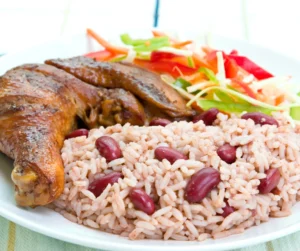
If it’s your first time at a Caribbean Carnival, there’s one thing you need to know early: The food is part of the experience.
Whether you’re attending Carnival in Miami, Toronto, London, or the Caribbean itself, you’ll find food stalls serving dishes from across the region—not just one island. And if you’re unfamiliar with the cuisine, it can be hard to know what’s worth trying.
This guide breaks down some of the most common and iconic Caribbean foods you’ll find at Carnival, where they come from, and what to expect—so when you see them, you’ll know exactly what to order.
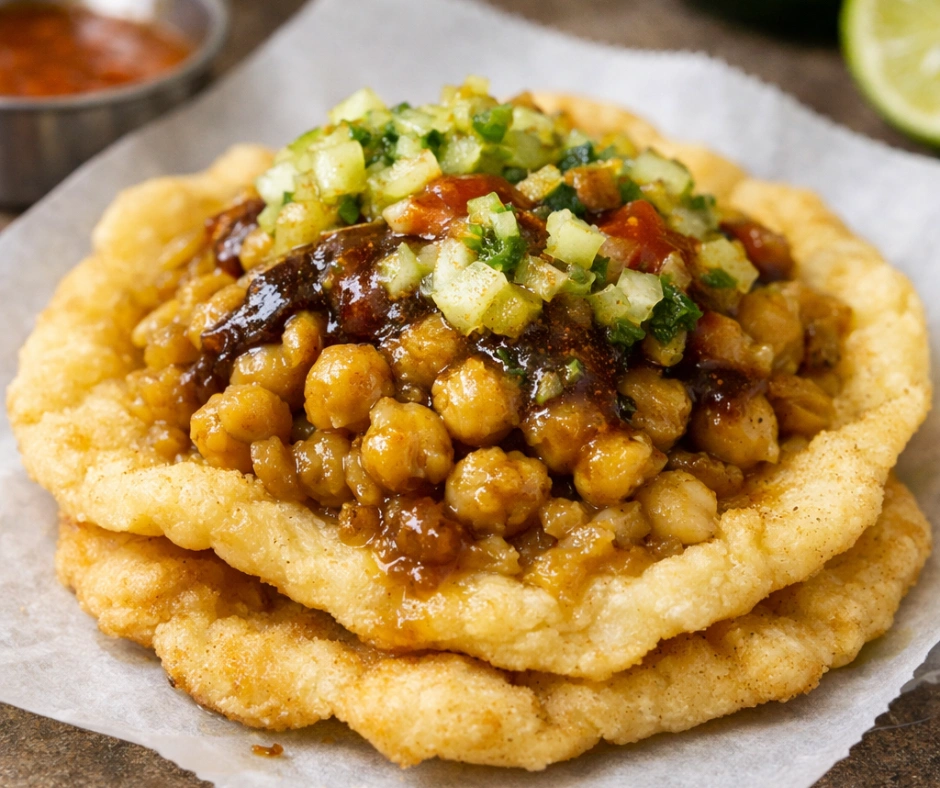
Origin: Trinidad & Tobago
Common at: Carnivals worldwide
Doubles is one of the most recognizable Caribbean street foods. It’s made with soft fried flatbread filled with curried chickpeas and topped with a mix of sauces.
What to expect: Soft, slightly messy, and packed with flavor—savory with hints of spice and sweetness.
Why try it: It’s quick, affordable, and one of the easiest ways to experience authentic Caribbean street food for the first time.
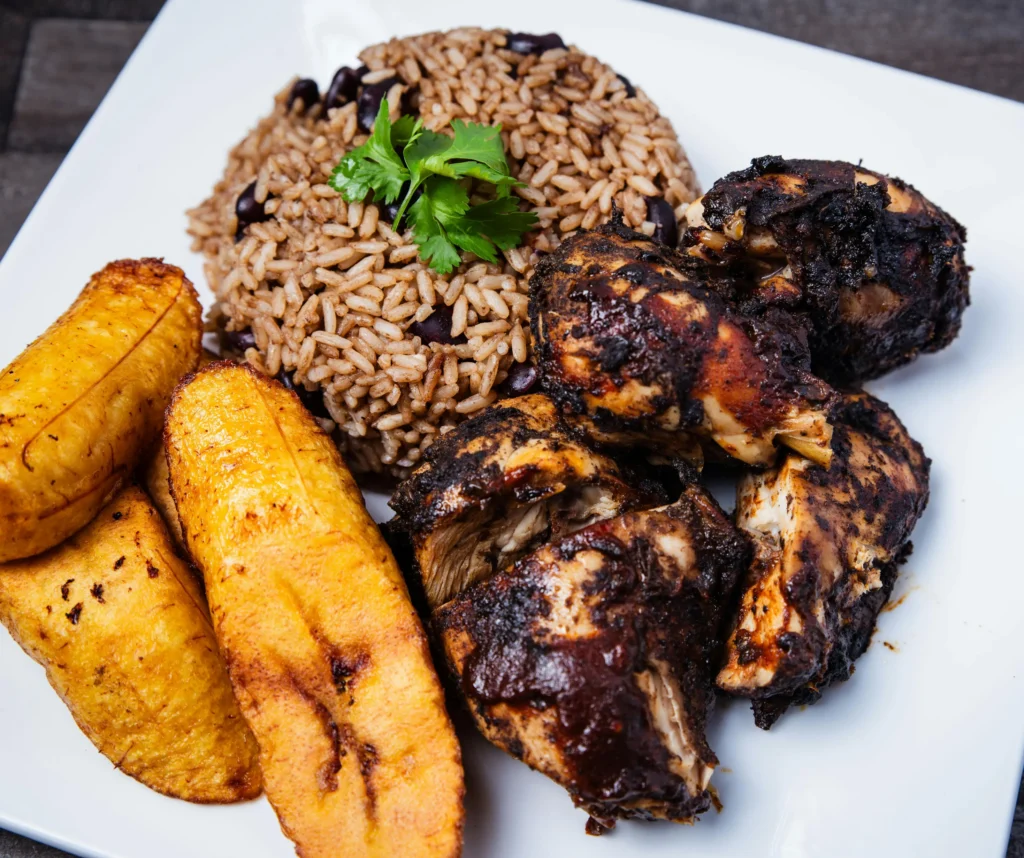
Origin: Jamaica
Common at: Most international Caribbean Carnivals
Jerk chicken is one of the most globally recognized Caribbean dishes. It’s seasoned with a mix of spices including allspice, thyme, and Scotch bonnet peppers, then grilled or smoked.
What to expect: Smoky, spicy, and deeply flavorful.
Why try it: If you enjoy grilled food with bold seasoning, this is one of the safest and most popular options at any Carnival.
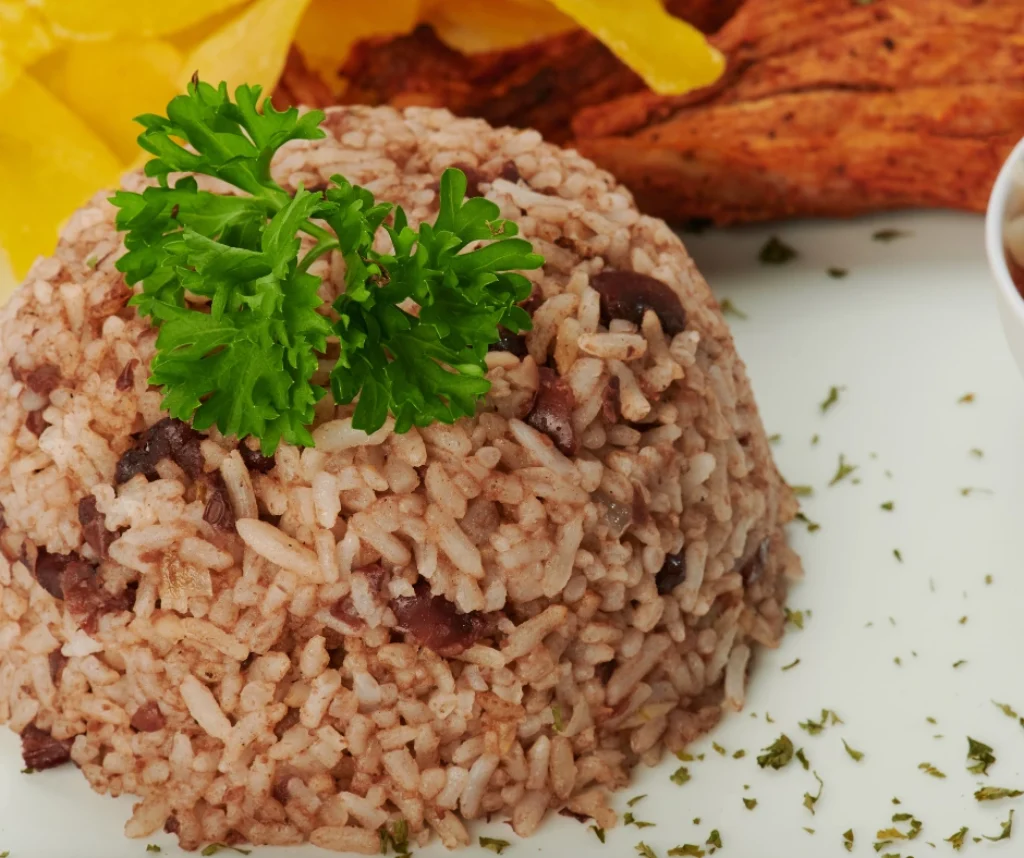
Origin: Jamaica (with variations across the region)
Common at: Most Caribbean food vendors
Rice and peas is a staple side dish made with rice, beans, coconut milk, and spices.
What to expect: Fragrant, mildly seasoned, and often served alongside meats like jerk chicken.
Why try it: It pairs well with almost everything and gives you a more complete Caribbean meal experience.
Origin: Found across multiple islands
Popular in: Trinidad, Jamaica, Saint Lucia, Dominica, St. Maarten etc.
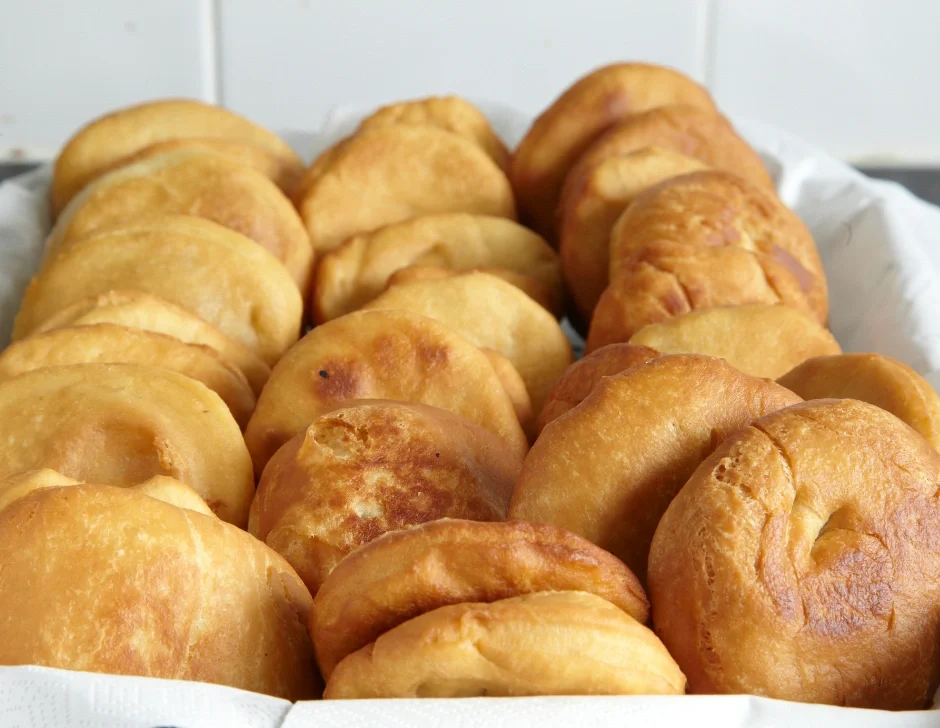
Bakes (also called fried bake or johnny cakes, depending on the island) are a staple across the Caribbean. They’re pieces of fried dough that can be eaten on their own or filled with different ingredients.
How it’s served across islands:
What to expect: Crispy on the outside, soft on the inside, and slightly savory.
Why try it: This is one of the most versatile Caribbean foods. If you see it on a menu, it’s almost always a safe and satisfying choice.
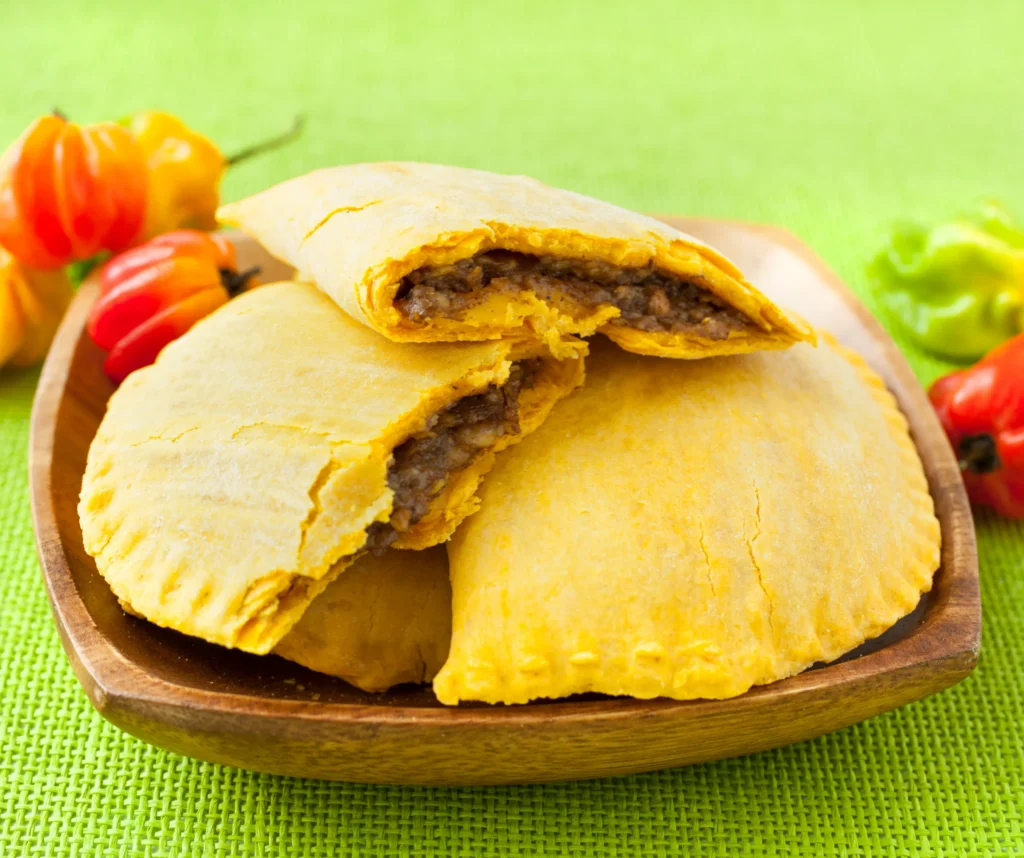
Origin: Jamaica
Common at: Caribbean food stalls worldwide
Patties are flaky, golden pastries typically filled with spiced beef, chicken, or vegetables.
What to expect: Crispy on the outside with a warm, savory filling that can be mildly or heavily spiced.
Why try it: If you want something quick, portable, and beginner-friendly, patties are one of the easiest entry points into Caribbean food.
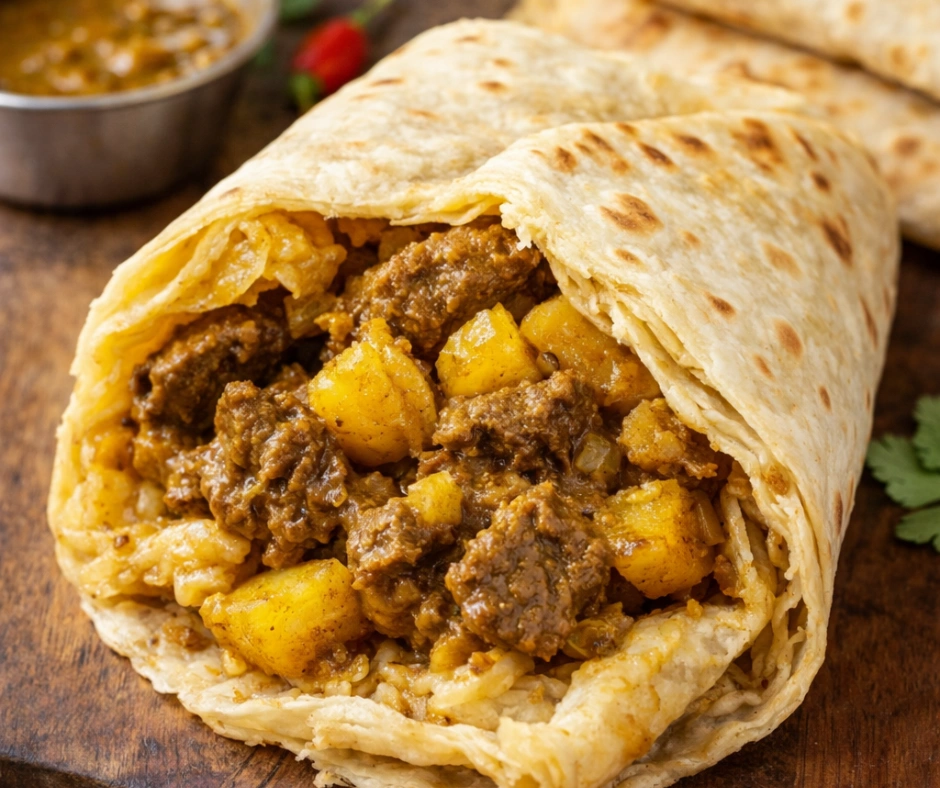
Origin: Trinidad & Guyana (influenced by Indian cuisine)
Common at: Caribbean food stalls globally
Roti is a wrap-style dish made with soft flatbread filled with curried meat, chicken, or vegetables.
What to expect: Hearty, slightly spiced, and very filling.
Why try it: It’s a complete meal in one package and a great option if you want something less messy than street snacks.
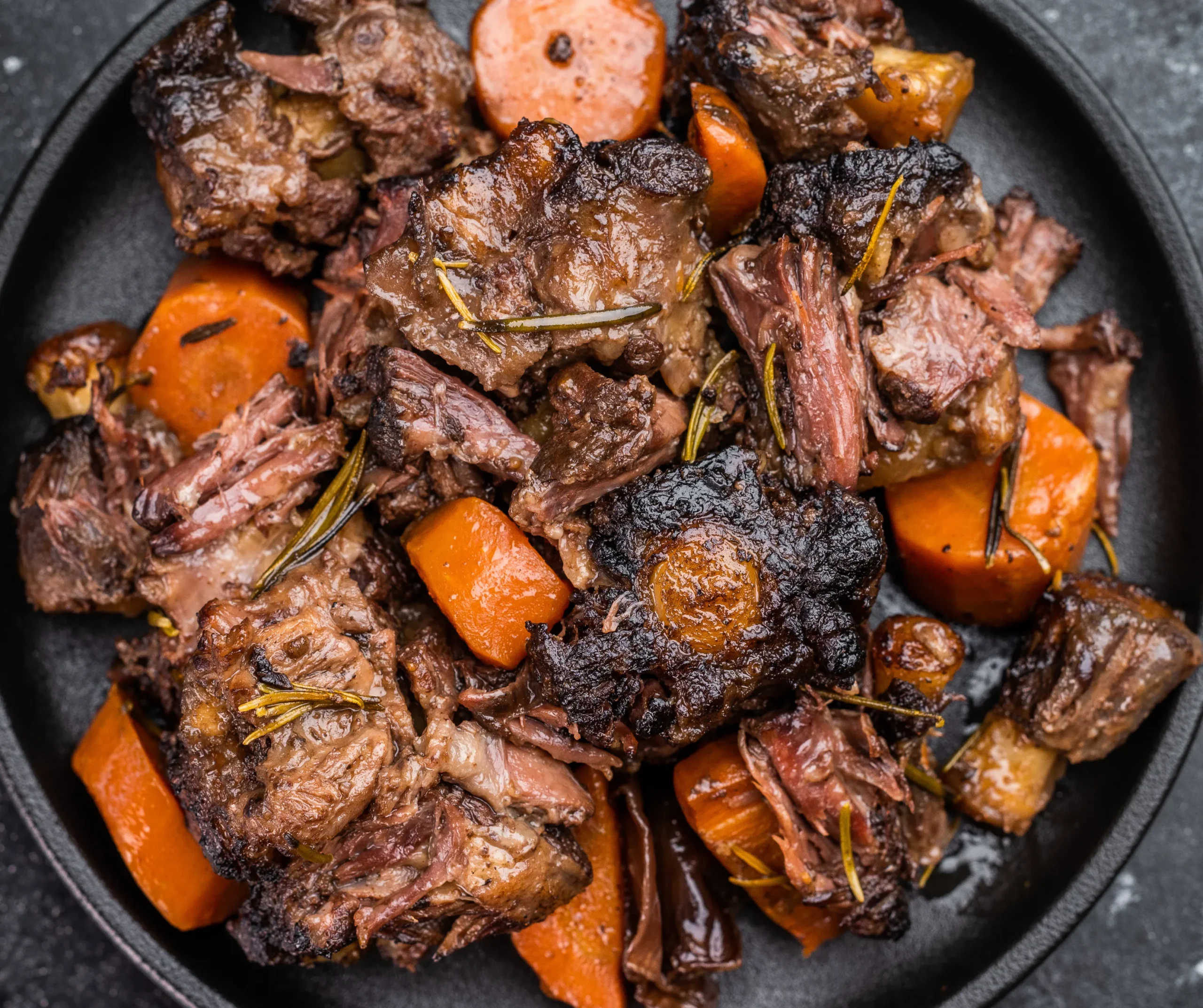
Origin: Popular across Jamaica and other Caribbean islands
Common at: Caribbean restaurants and premium food stalls
Oxtail is made from the tail of a cow, slow-cooked in a rich, savory gravy with beans and spices until tender.
What to expect: Deep, hearty flavor with fall-off-the-bone meat, usually served with rice.
Why try it: This is a more traditional, comfort-style dish that showcases the depth of Caribbean cooking.
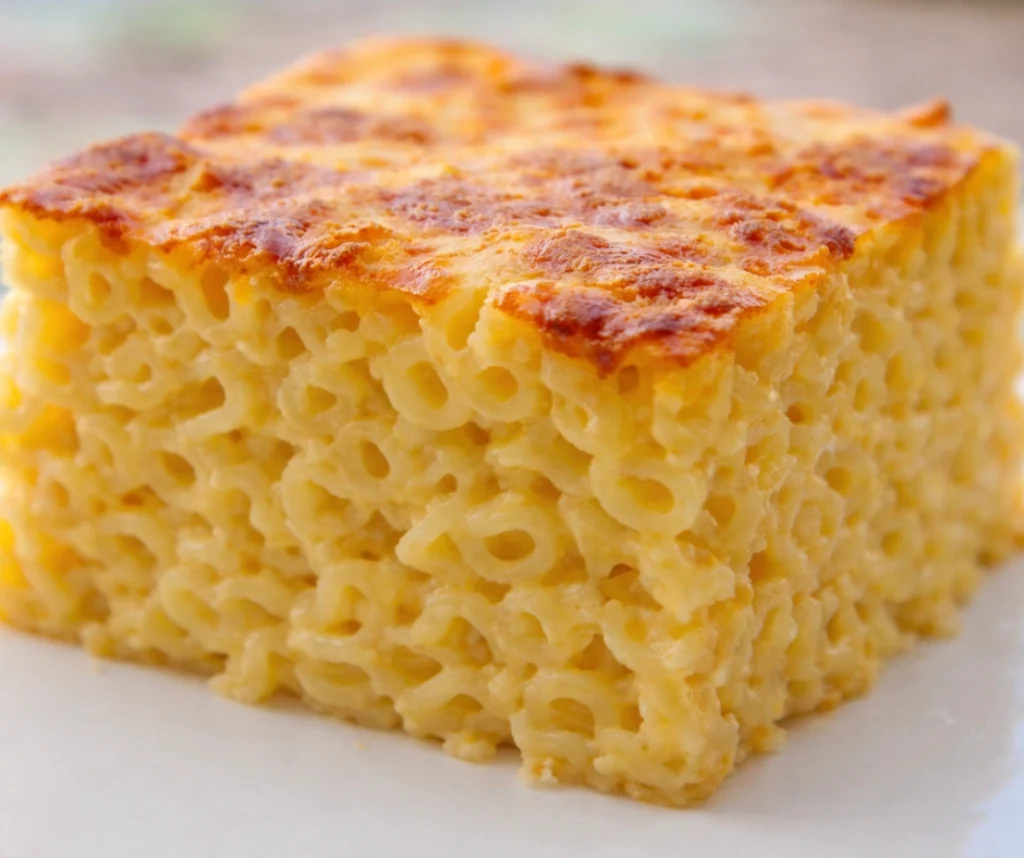
Origin: Barbados
Common at: Caribbean food stalls and home-style vendors
Macaroni pie is the Caribbean’s take on baked macaroni and cheese, but firmer, richer, and more seasoned.
What to expect: Baked, cheesy, and slightly dense with a golden crust on top and a well-seasoned interior.
Why try it: If you want something familiar but with a Caribbean twist, this is an easy and satisfying choice—especially alongside meats like jerk chicken or oxtail.
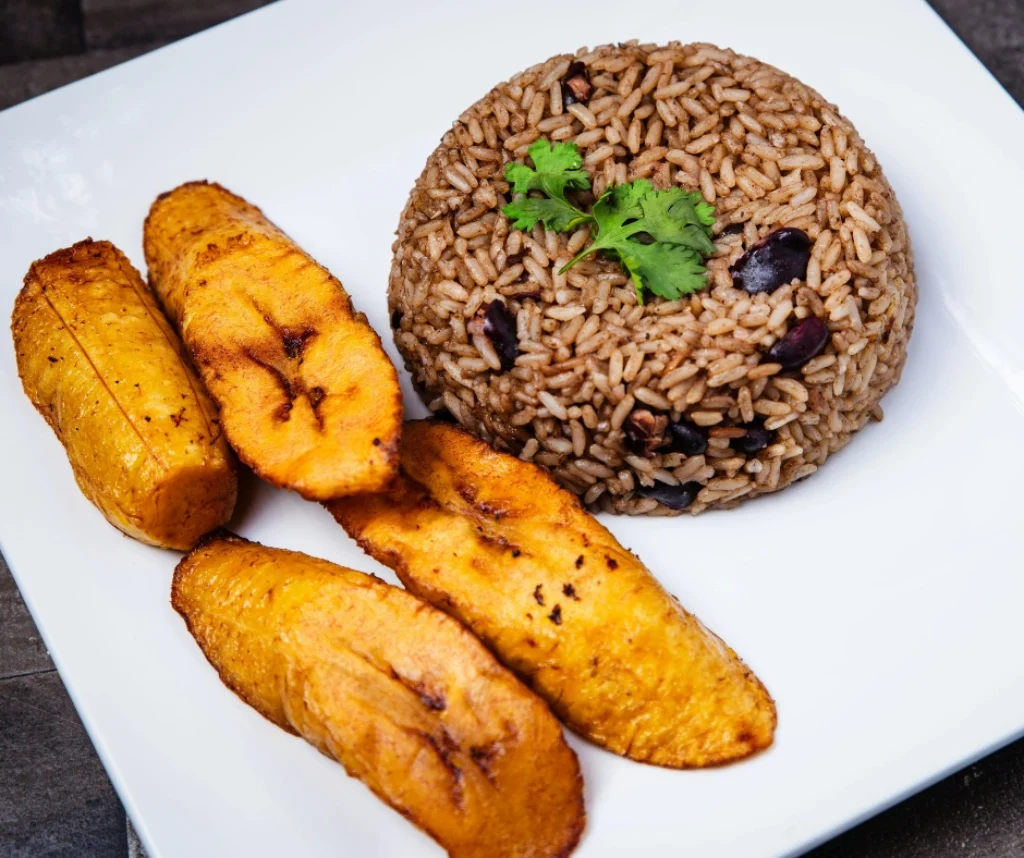
Origin: Found across many Caribbean islands
Common at: Almost every Caribbean food stall
Fried plantains are slices of a starchy tropical fruit similar to a banana, but usually less sweet when raw and typically cooked before eating.
What to expect: Sweet, soft, and slightly caramelized with a rich flavor that pairs well with savory dishes.
Why try it: You’ll see plantains everywhere. They’re simple, approachable, and the perfect side to balance spiced meats like jerk chicken or oxtail.
Caribbean Carnival is a fusion of cultures from different islands. When these communities come together in cities around the world, the food reflects that diversity. That’s why you’ll often see Trinidadian, Jamaican, and other Caribbean dishes side by side at the same event.
Trying Caribbean food for the first time can feel unfamiliar—but that’s part of the experience. These dishes are more than just meals. They reflect the history, influences, and everyday life of the islands. So when you’re at Carnival and see a long line at a food stall, don’t hesitate. That’s usually where you’ll find something worth trying.
If you are completely new to Caribbean food, start with something approachable like patties, jerk chicken, fried plantains, or macaroni pie. They are easy to recognize, full of flavor, and usually available at major Carnival food stalls.
Not always. Some dishes, like jerk chicken or doubles, can have heat, but many foods are mildly seasoned rather than spicy, and vendors often let you control how much pepper or hot sauce you add.
The names can overlap depending on the island. In many Caribbean communities, both refer to fried dough, but the size, texture, and fillings can vary from place to place, which is why you may see the same food called something different at different Carnival stalls.
Doubles is a Trinidadian street food made with soft fried flatbread and curried chickpeas, usually topped with sauces and pepper. It is popular because it is affordable, flavorful, quick to eat, and one of the most recognizable Caribbean street foods you will see at Carnival.
There are still plenty of options. Doubles is typically meat-free, fried plantains and macaroni pie are common sides, and many vendors also offer vegetable patties or vegetarian roti depending on the event.
Rice and peas, fried plantains, and macaroni pie are some of the most common sides you will see. They balance stronger flavors well, which makes them a smart addition if you are ordering something more heavily seasoned like jerk chicken or oxtail.
Specials are here!