

South America Carnivals Guide

Black & White Carnival

do not delete

VIBE: Indigenous Roots – Colour Ritual – UNESCO Heritage

The indigenous roots vibe makes Pasto’s Black and White Carnival the most culturally layered in Colombia — and arguably in all of South America. Born from 16th-century Andean harvest rituals, its two defining days see participants paint each other black on January 5th (honouring the liberation of enslaved Africans) and white on January 6th (symbolising unity across ethnicities). The Grand Parade of elaborately decorated floats on January 6th is the spectacular culmination of six days of escalating celebration, with paint, flour, talcum, and foam covering everyone and everything. 

Best for: Culturally curious travelers who want a deeply rooted, genuinely participatory carnival far from the tourist trail — and aren’t afraid to get covered in paint

Gualeguaychú Carnival

do not delete

VIBE: Argentina’s Biggest – Corsódromo – Summer Comparsa

Argentina’s biggest carnival — known as Carnaval del País — runs every Saturday from January through early March at the Corsódromo, a purpose-built 40,000-seat arena in a small riverside city three hours from Buenos Aires. Four competing comparsas spend the entire year building costumes, choreography, and floats for their Saturday night showdown. The vibe is electric and intimate by South American standards — close enough to the dancers to feel the heat, affordable enough to attend multiple nights, and genuinely local enough that you’ll be one of very few international visitors. 

Best for: Travelers already in Buenos Aires wanting a weekend carnival experience that rivals Rio at a fraction of the cost and crowd

Encarnación Carnival

do not delete

VIBE: Paraguay’s Pride – Sambadrome – Snow Foam Battles

The Sambódromo vibe makes Encarnación one of South America’s best-kept carnival secrets — Paraguay’s biggest carnival runs Saturday nights from January through February at the world’s third-largest sambadrome (after Rio and São Paulo), with competing comparsas parading in elaborate costumes alongside snow foam battles that turn the entire crowd into participants. Tickets start from around $3 USD, making it one of the most affordable carnival experiences on the continent — and locals insist it’s more fun than Rio. 

Best for: Budget-conscious travelers and South America backpackers who want a full sambadrome carnival experience without Rio’s prices or crowds

Barranquilla Carnival

do not delete

VIBE: UNESCO Masterpiece – Cumbia – Battle of Flowers

The UNESCO Masterpiece vibe places Barranquilla in rarefied company — declared Intangible Cultural Heritage of Humanity in 2003, it’s the second-largest carnival in the world after Rio and the most important folkloric celebration in Colombia. Four days of distinct events along Vía 40: the Battle of Flowers parade on Saturday, the Gran Parada de Tradición y Folclor on Sunday, the Gran Parada de Comparsas on Monday, and the symbolic Death of Joselito Carnaval on Tuesday. Cumbia, mapalé, and vallenato sound-track everything; the marimonda (half-monkey, half-elephant) is the carnival’s iconic character.

Best for: Travelers who want a world-class UNESCO carnival with deep folkloric tradition — and Colombia’s Caribbean coast as the backdrop

Rio Carnaval

do not delete

VIBE: The World’s Biggest – Sambadrome – Street Blocos

The world’s biggest vibe isn’t marketing — Rio Carnaval is genuinely the largest carnival celebration on earth, drawing over two million people to the streets on its peak days and televised globally. Two distinct experiences: the Sambadrome competitions where elite samba schools parade in sequences of extraordinary choreography and costume, and the free street blocos that take over Rio’s neighbourhoods from Lapa to Santa Teresa. The Sambadrome parade is one of the most visually spectacular events anywhere on earth. 

Best for: First-time South America visitors and bucket-list carnival seekers who want the definitive, once-in-a-lifetime experience — with budget for it

planning your trip?

What every first-timer needs to know!

South America is a genuinely diverse continent — flying into Rio tells you almost nothing about getting to Encarnación. Each destination has its own logistics, entry requirements, and planning timeline. These are the four things that matter most before you book.

All five carnivals run January – February

South America's carnival season is concentrated. Pasto and Gualeguaychú/Encarnación start in early January; Barranquilla and Rio peak in February.

Book Rio and Barranquilla very early

Rio Sambadrome and Barranquilla grandstand tickets sell out months in advance. Pasto, Gualeguaychú, and Encarnación are more relaxed.

Budget varies by destination

Encarnación and Gualeguaychú are among the most affordable carnival destinations in the world. Rio is among the most expensive while Colombia sits in the middle.

Visa-free for most Western passports

Brazil, Colombia, Argentina, and Paraguay all offer visa-free entry for US, UK, EU, Canadian, and Australian passport holders for tourist stays. Always verify current requirements before travel.

Don't forget to pack right

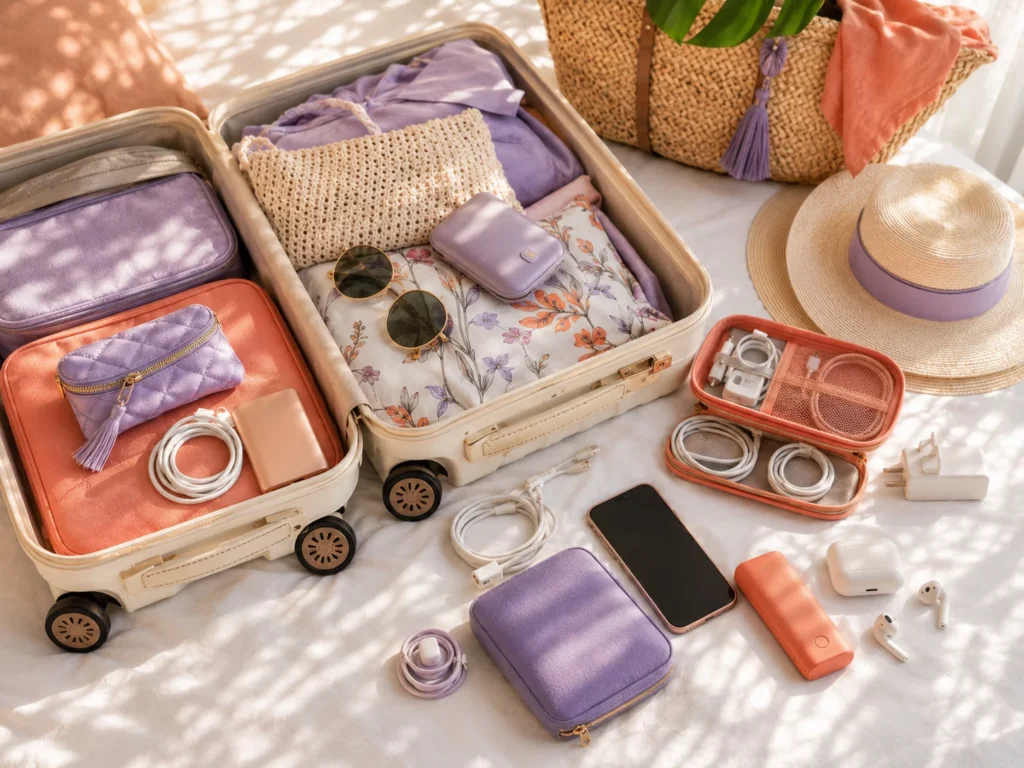
You’ve sorted your flights and where you’re staying — now make sure you’re packing everything you need. Download our free Carnival Travel Packing List (PDF) — everything for the parade, J’ouvert, and beyond.

Carnival packing checklist featuring phone charger, portable power bank, travel adapter, cables, and travel accessories neatly packed in a suitcase.

Your Carnival Journey Starts Here:

Carnival masquerader in an elaborate green feathered costume at a Caribbean carnival, highlighting a key experience in any carnival itinerary
Travel Planning

Carnival Itinerary 101: How to Plan for Fun and Recovery

Planning your first Carnival trip is exciting but it can also feel overwhelming. Between nonstop fêtes, early-morning road days, glam appointments, and late nights, many first-time Carnival travelers struggle to create a clear carnival itinerary that actually works.