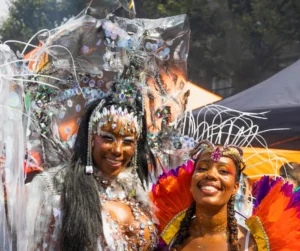
Carnival, a vibrant and exuberant celebration of life, has deep historical roots that intertwine with various cultures and traditions around the world. This lively festival, known for its dazzling costumes, intricate masks, and pulsating rhythms, has captured the hearts of millions. From the medieval streets of Europe to the sun-soaked beaches of the Caribbean, the history of carnival is a tale of resilience, creativity, and the human spirit’s unyielding desire to revel in joy.
The origins of carnival can be traced back to ancient civilizations, where communities marked the changing of seasons with festive rituals and gatherings. These early celebrations often aimed to banish winter spirits, welcome the arrival of spring, and celebrate the abundance of life. The Roman festival of Saturnalia, marked by feasting, role reversals between slaves and masters, and general merriment, bears striking similarities to modern-day carnival festivities.
As Christianity spread, these pagan celebrations merged with religious observations, giving birth to a unique blend of spiritual and secular festivities. Carnival, derived from the Latin word “carnelevare,” meaning “to remove meat,” developed as a time of feasting and revelry before the somber period of Lent. This allowed people to indulge in rich foods and pleasures before the period of fasting and reflection.
The Middle Ages saw the evolution of carnival into grand spectacles that took over European cities. With masked balls, elaborate processions, and theatrical performances, carnival became a time for social inversion and satire. The masks, a hallmark of carnival, allowed individuals to shed their social roles and experience a liberating sense of anonymity. Venice, renowned for its opulent masked balls, became a center of carnival celebrations in the 16th century, setting a trend that would resonate for centuries.

Carnival journeyed across the Atlantic to the Americas through the colonial era, and its evolution was shaped by the diverse cultures it encountered. In places like Brazil, Trinidad and Tobago, and New Orleans, the fusion of European, African, and indigenous traditions gave rise to unique carnival celebrations. The vibrant samba rhythms of Rio de Janeiro’s Carnival, the elaborate costumes of Trinidad and Tobago’s Carnival, and the exuberant Mardi Gras celebrations of New Orleans all showcase how carnival has evolved into a reflection of the local cultural tapestry.
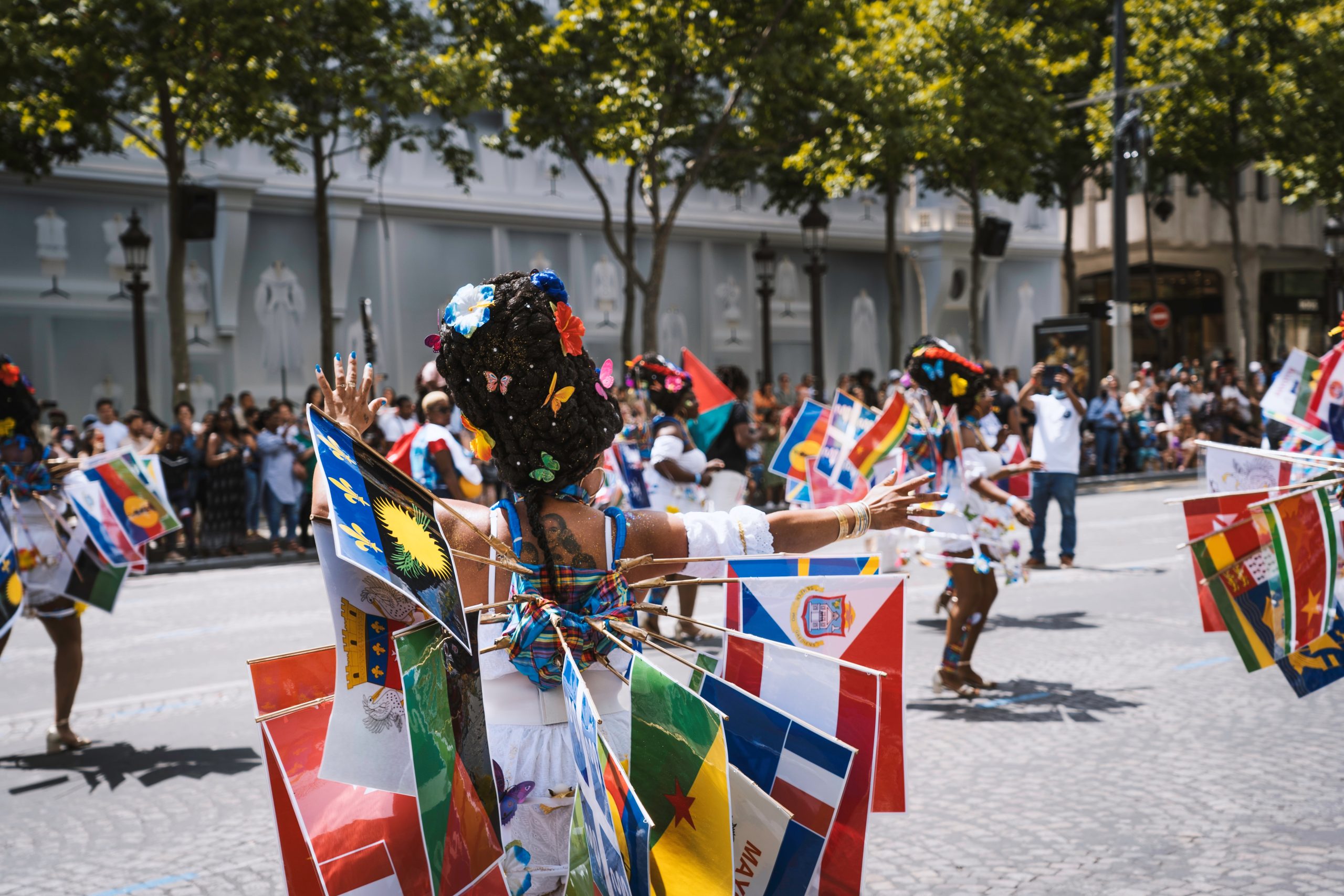
In the modern era, carnival has grown to encompass a truly global phenomenon. From the Notting Hill Carnival in London to the Cologne Carnival in Germany, and from the Caribana in Toronto to the Malta Carnival, diverse cultures have embraced the spirit of carnival in their own unique ways. While traditional elements like costumes, music, and dance remain essential, carnival has also become a platform for social commentary and a celebration of inclusivity and diversity.
The history of carnival is a testament to human creativity, adaptability, and the universal need for celebration. From its ancient roots to its contemporary manifestations, carnival has transcended boundaries and continues to captivate hearts and minds worldwide. This dazzling tapestry of culture, tradition, and joyous revelry reminds us that, despite our differences, we are united in our shared longing for moments of exuberant celebration. As we immerse ourselves in the kaleidoscope of colors, rhythms, and emotions that is carnival, we honor its rich history while creating new chapters in its vibrant story.
Carnival has roots in ancient seasonal festivals where communities celebrated change, renewal, and the abundance of life. Over time, these early traditions blended with Christian observances and became linked to the period before Lent.
The word Carnival is often traced to the Latin carnelevare, meaning “to remove meat.” It reflects the tradition of feasting and indulgence before the fasting and reflection of Lent.
During the Middle Ages, Carnival grew into a major public celebration across Europe with masks, parades, performances, and satire. Cities like Venice became especially famous for elaborate masked balls and festive street culture.
Masks gave people the freedom to step outside their usual social roles and enjoy a sense of anonymity. That made Carnival a space for play, expression, and even social inversion.
Carnival crossed the Atlantic during the colonial era and evolved through the meeting of European, African, and indigenous traditions. This cultural blending helped shape the unique Carnival expressions seen across the Caribbean and the wider Americas today.
Caribbean Carnival developed its own identity through local history, African influence, emancipation-era expression, and island culture. While it shares some roots with European pre-Lenten festivals, its music, costumes, energy, and meaning evolved in a very distinct way.
Carnival has grown from ancient and religiously linked celebrations into a global cultural phenomenon. Today, it still celebrates music, costume, and joy, but it also often reflects identity, resistance, community, and creativity.
Carnival continues to thrive because it brings people together through celebration, culture, and shared expression. Different countries and cities have made it their own while still holding on to the spirit of freedom, joy, and revelry.
Specials are here!