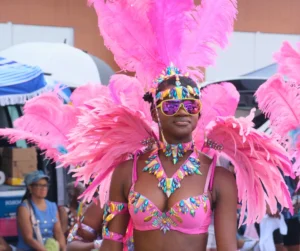
Carnival festivals are a testament to the world’s rich cultural diversity, celebrating the spirit of unity, joy, and creativity. These events provide a unique opportunity for communities to come together and showcase their traditions through colorful parades, lively music, elaborate costumes, and exuberant dancing. With countless destinations hosting their own versions of these festive spectacles, determining the “best” carnival festival is a matter of subjective perspective. Rather than singling out one as superior, let’s explore some of the most renowned and culturally significant carnival festivals around the globe.
One of the most iconic carnival celebrations, Rio Carnival is a dazzling showcase of Brazilian culture. Held annually before Lent, this event is synonymous with samba parades, intricate costumes, and pulsating rhythms. The Sambadrome transforms into a kaleidoscope of colors as samba schools from different neighborhoods compete to dazzle the crowd with their creativity and skill.
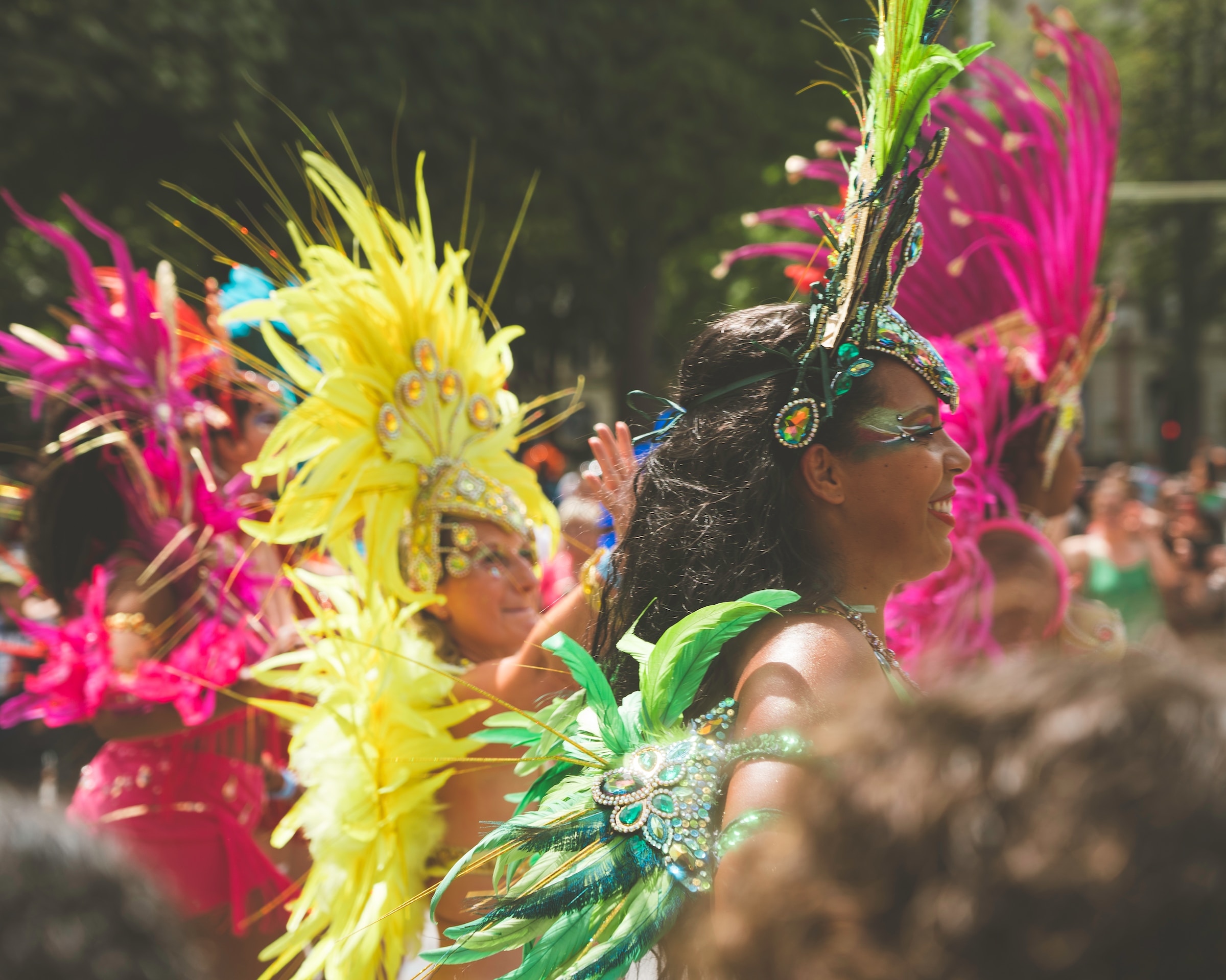
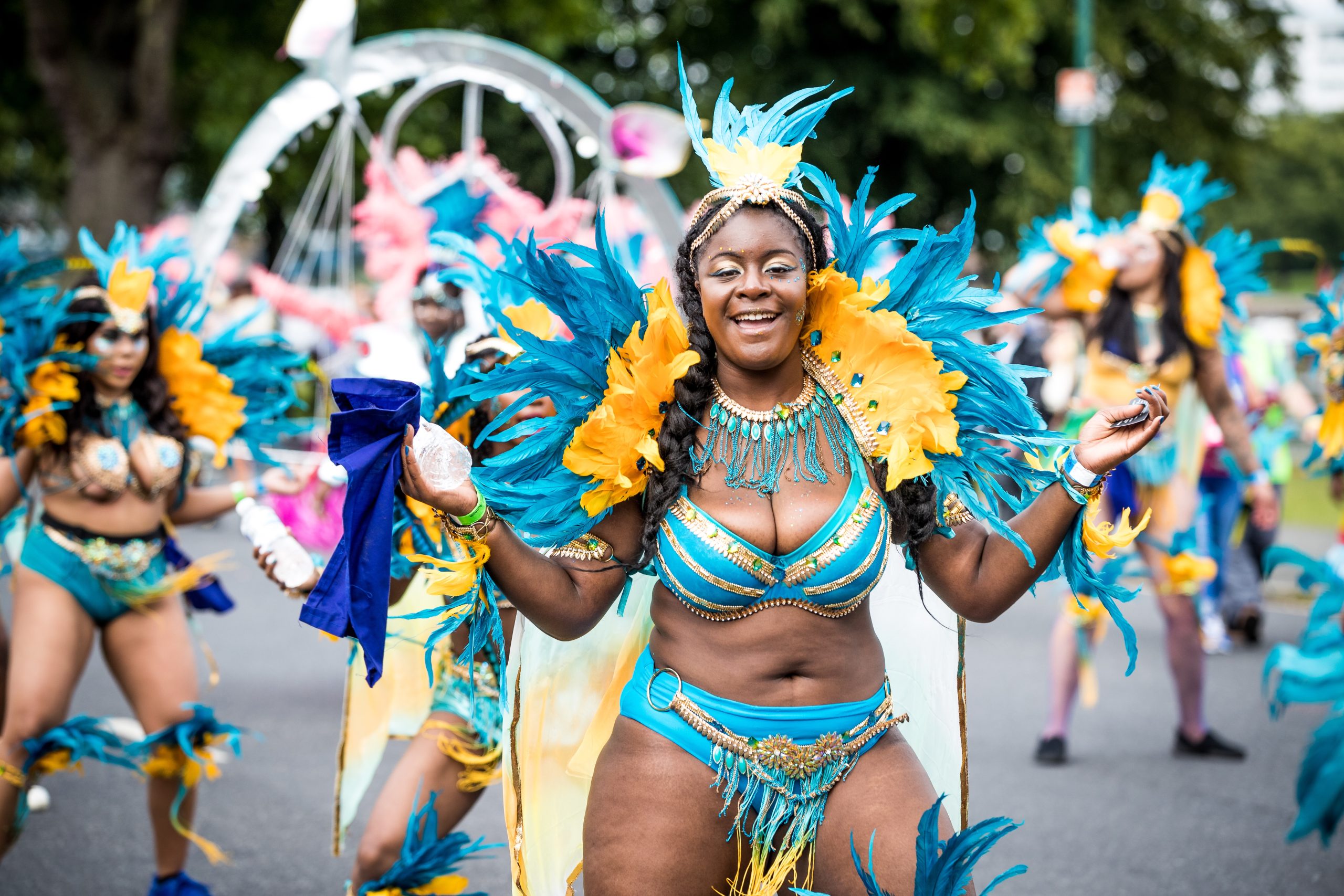
Celebrating the UK’s Caribbean community, the Notting Hill Carnival is a multicultural explosion of color, music, and dance. With a strong emphasis on inclusivity and diversity, the streets of London come alive with steel drums, reggae beats, and exuberant masqueraders.
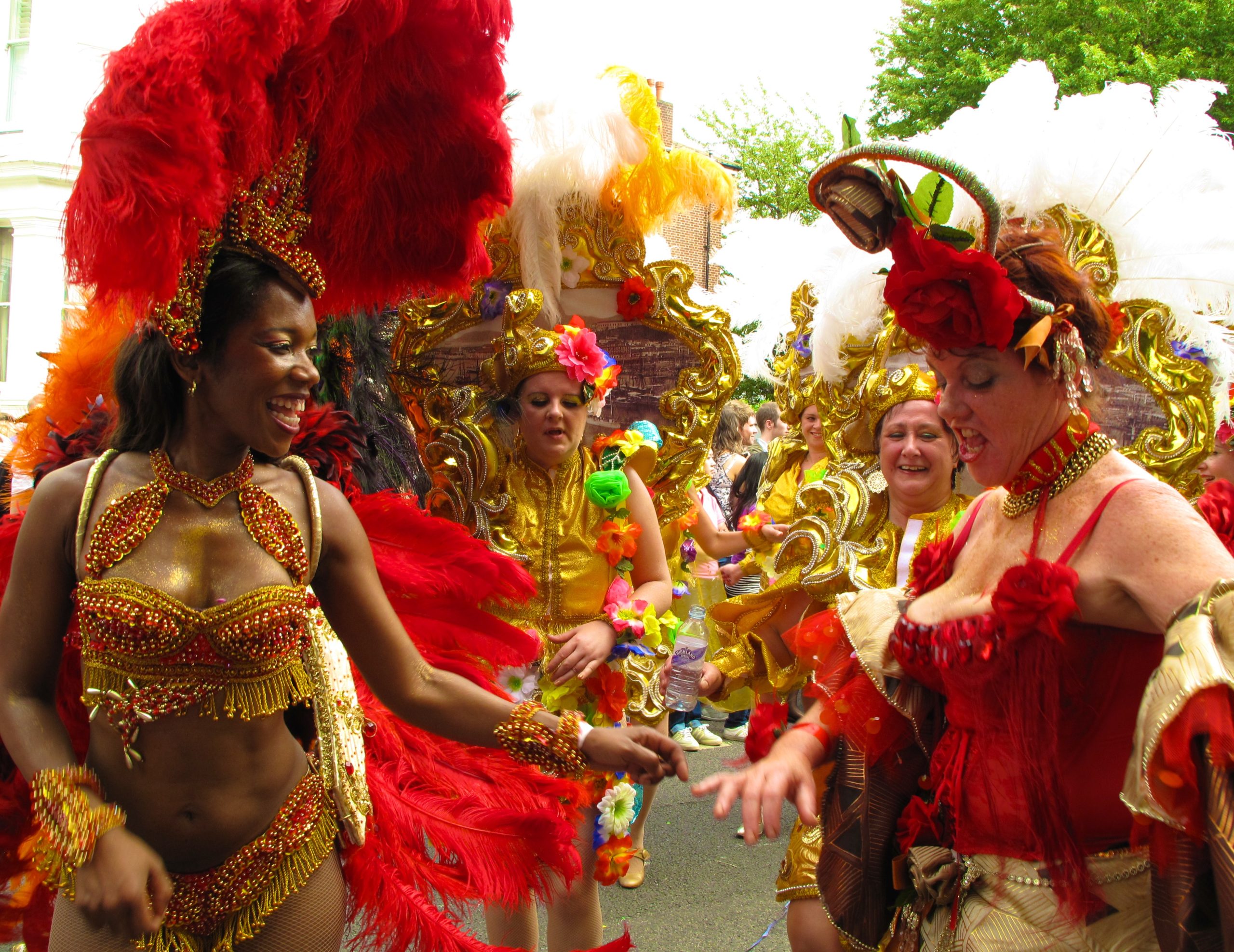
A true melting pot of cultures, Mardi Gras in New Orleans is a lively and inclusive celebration. This carnival festival is renowned for its festive parades, eclectic music, and the tradition of throwing beads and trinkets to onlookers. It’s a time when the city’s vibrant spirit and hospitality shine through.
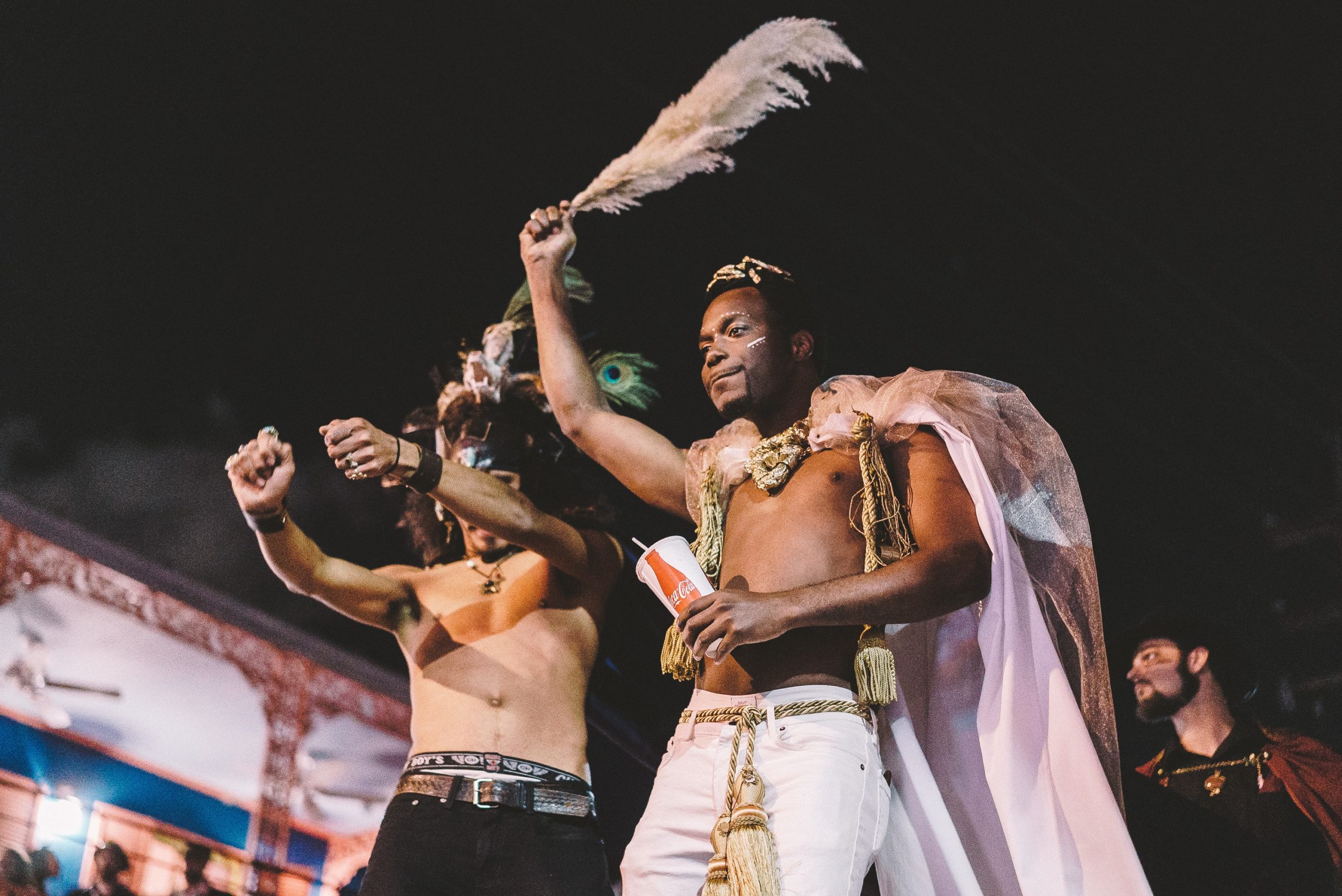
Celebrated with unmatched energy, Trinidad Carnival is a vibrant amalgamation of African, European, and East Indian influences. This carnival places a significant emphasis on the “jump-up” culture, where revelers dance in the streets to infectious soca and calypso music, adorned in bold and colorful costumes that reflect the nation’s diverse heritage.
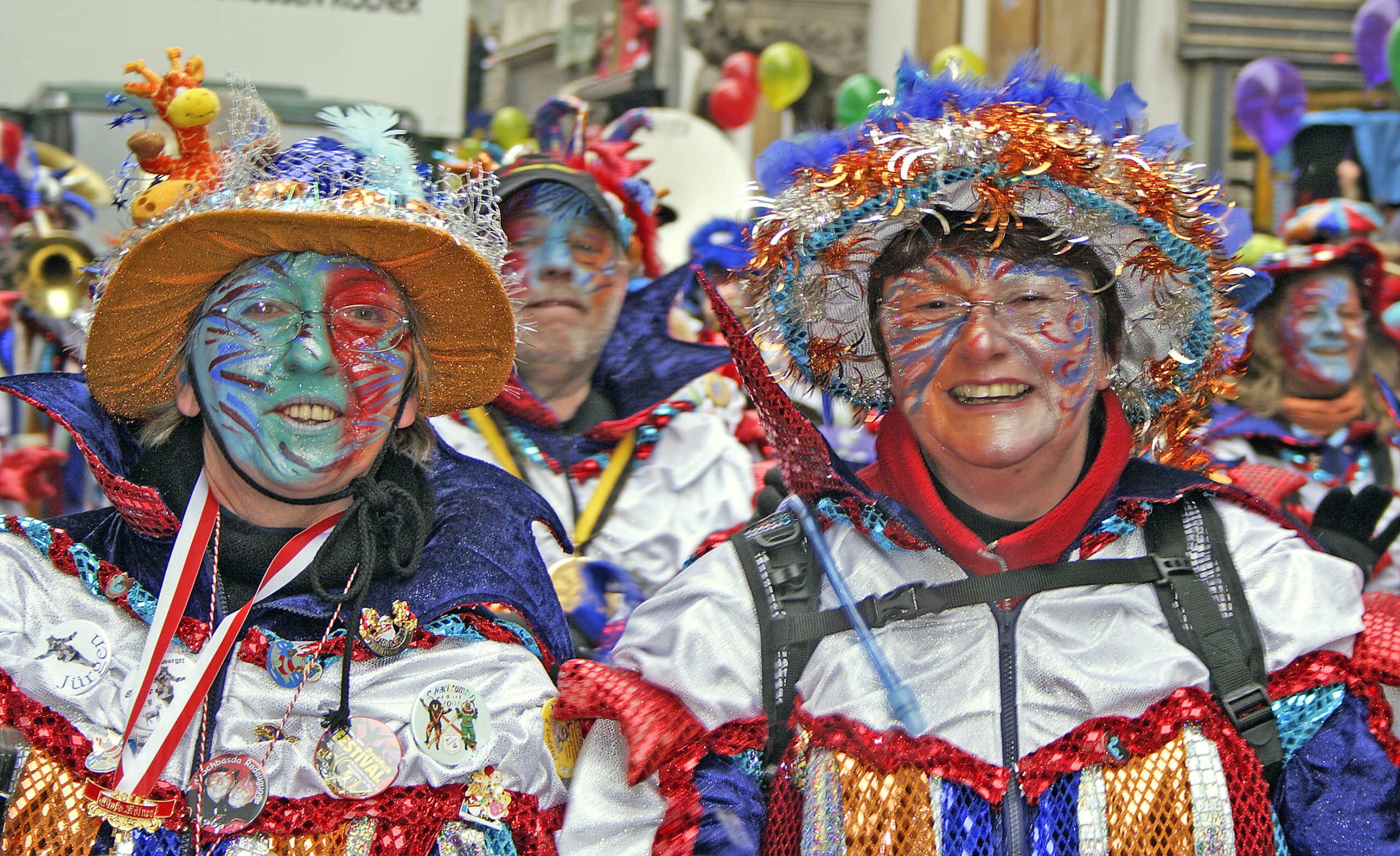
Known as the “Fifth Season,” Cologne Carnival is a whimsical and light-hearted event that takes place in the cold winter months. This German carnival boasts humorous parades, political satire, and unique traditions like the “Bützchen” (small kiss) that locals exchange with one another.
Spain’s Cadiz Carnival is famous for its irreverent humor, witty song lyrics, and spontaneous street performances. This carnival is a true reflection of the city’s culture and history, with locals using satire to comment on current events and social issues.
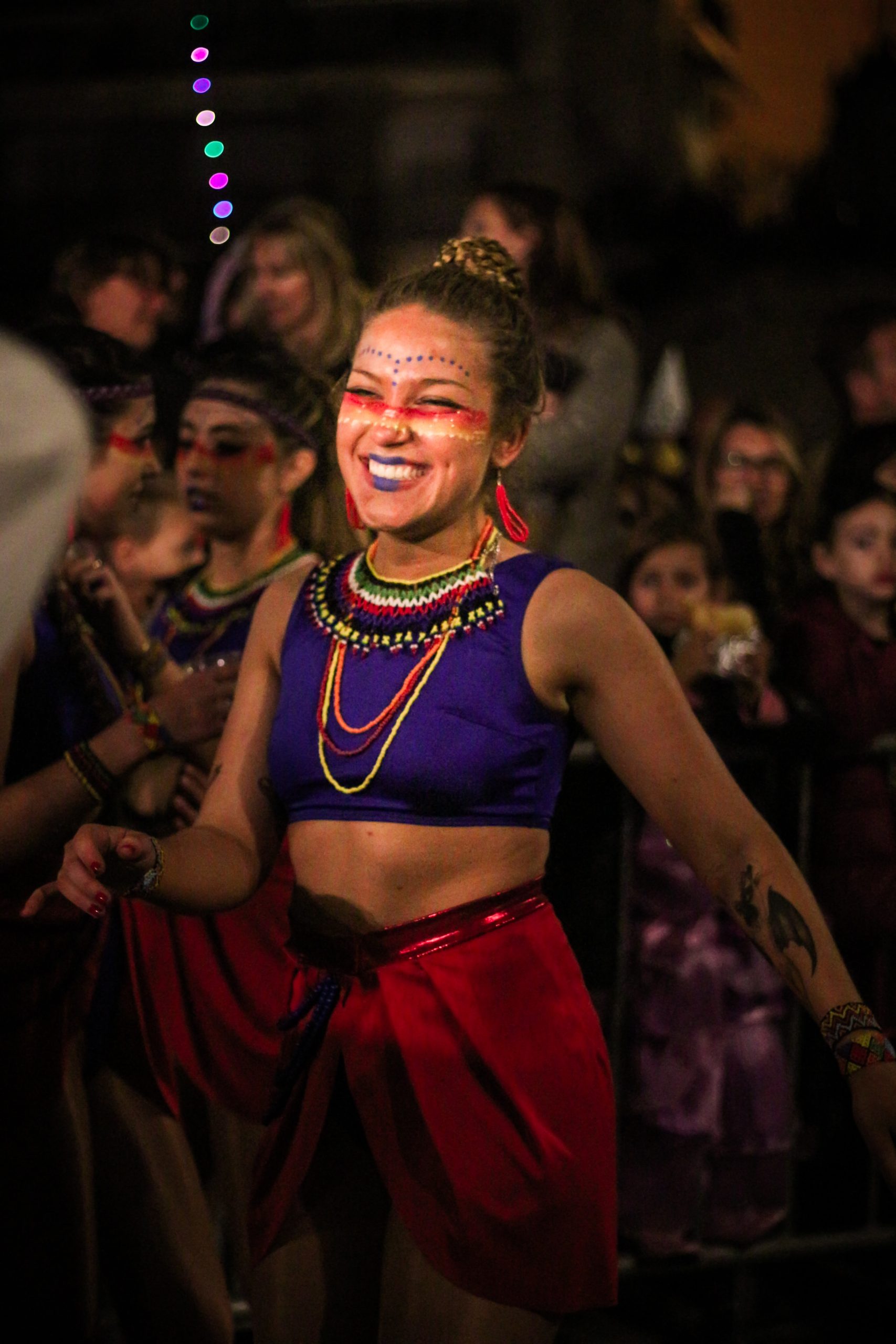
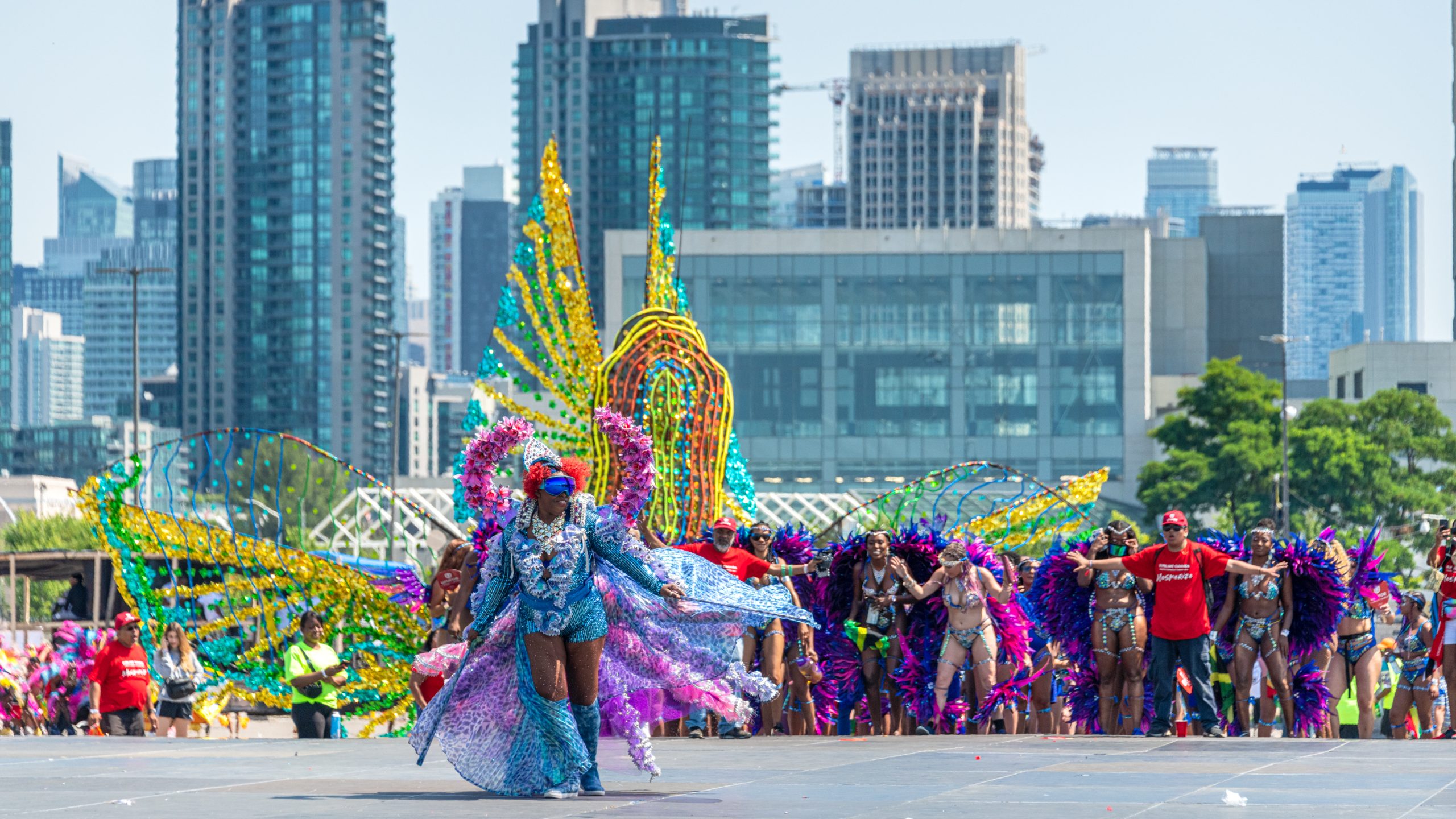
The Toronto Carnival is a vibrant and culturally diverse annual event that celebrates the rich tapestry of Caribbean culture in the heart of Canada’s largest city. Featuring a colorful parade with elaborate costumes, pulsating soca and calypso rhythms, and a joyful atmosphere, the Toronto Carnival is a true reflection of the city’s multicultural identity. It provides a platform for both Caribbean communities and enthusiasts from all backgrounds to come together and revel in the infectious spirit of the Caribbean, making it one of the most anticipated cultural festivals in Toronto.
In conclusion, the “best” carnival festival is a subjective determination influenced by personal preferences, cultural interests, and experiences. Each of the aforementioned festivals holds its own distinct charm and cultural significance, making it difficult to rank them in a definitive order. The allure of carnival festivals lies in their ability to immerse attendees in a world of vibrant colors, pulsating rhythms, and diverse traditions, transcending geographical boundaries to celebrate the essence of human creativity and unity.
Some of the most famous Carnival festivals include Rio Carnival in Brazil, Trinidad Carnival, Notting Hill Carnival in London, Mardi Gras in New Orleans, Cologne Carnival in Germany, Cadiz Carnival in Spain, and Toronto Carnival. Each one brings its own flavour, traditions, music, and cultural energy.
There isn’t one single “best” Carnival because it really depends on what kind of experience you want. Some people love the scale of Rio, others prefer the road energy of Trinidad or the multicultural vibes of Notting Hill.
Rio Carnival is known worldwide for its massive samba parades, elaborate costumes, and the spectacle of the Sambadrome. It’s one of the most iconic Carnival celebrations because of its size, artistry, and nonstop energy.
Notting Hill Carnival is important because it celebrates Caribbean culture and community in the UK on a huge scale. It’s also one of the clearest examples of Carnival’s power to bring together music, identity, heritage, and inclusivity.
Trinidad Carnival stands out for its unmatched road culture, soca and calypso music, and the freedom and energy of masqueraders in motion. It’s deeply rooted in history and is often seen as one of the most influential Carnival celebrations in the world.
Mardi Gras in New Orleans has its own unique traditions, including themed parades, bead throwing, and a blend of cultural influences tied to the city’s identity. Caribbean Carnival tends to focus more heavily on mas, soca, calypso, and the road experience.
No — while many Carnival festivals share elements like costumes, music, dance, and parades, each one reflects its local culture and history. That’s what makes exploring different Carnivals so exciting because no two feel exactly the same.
Carnival festivals pull people in because they offer an unforgettable mix of culture, colour, music, and celebration. They create a space where people can connect, express themselves, and experience the spirit of a place in a very lively way.