
The Aruba Carnival is expected to take place from January 9, 2027 to February 9, 2027.
The Aruba Carnival is primarily celebrated in Oranjestad, Aruba.
Aruba Carnival is the island’s largest annual celebration, officially opening every year on 11 November at 11:11 a.m. and building through January and February to the Grand Parade in Oranjestad on the eve of Ash Wednesday. That opening moment marks the founding of Stichting Arubaanse Carnaval on 11 November 1966 at 11:11 a.m., and Arubans have observed it ever since.
The season has a clear arc. The Torch Parade opens the street celebrations in January, the Lighting Parade fills the night with illuminated costumes and floats, and children’s parades run in Noord, Oranjestad, and San Nicolas. It closes with the Grand Parade in San Nicolas, then the Grand Parade in Oranjestad, and finally the midnight burning of King Momo on Shrove Tuesday — the effigy goes up in flames, and Lent begins.
A nighttime spectacular of illuminated costumes and floats, produced by Tivoli, Aruba's oldest social club, every year since 1981.
Tumba is a lively and rhythmic music genre characterized by its African and Caribbean influences.
The finale comes in two parts — the Grand Carnival Parade in San Nicolas, then the Grand Carnival Parade in Oranjestad.
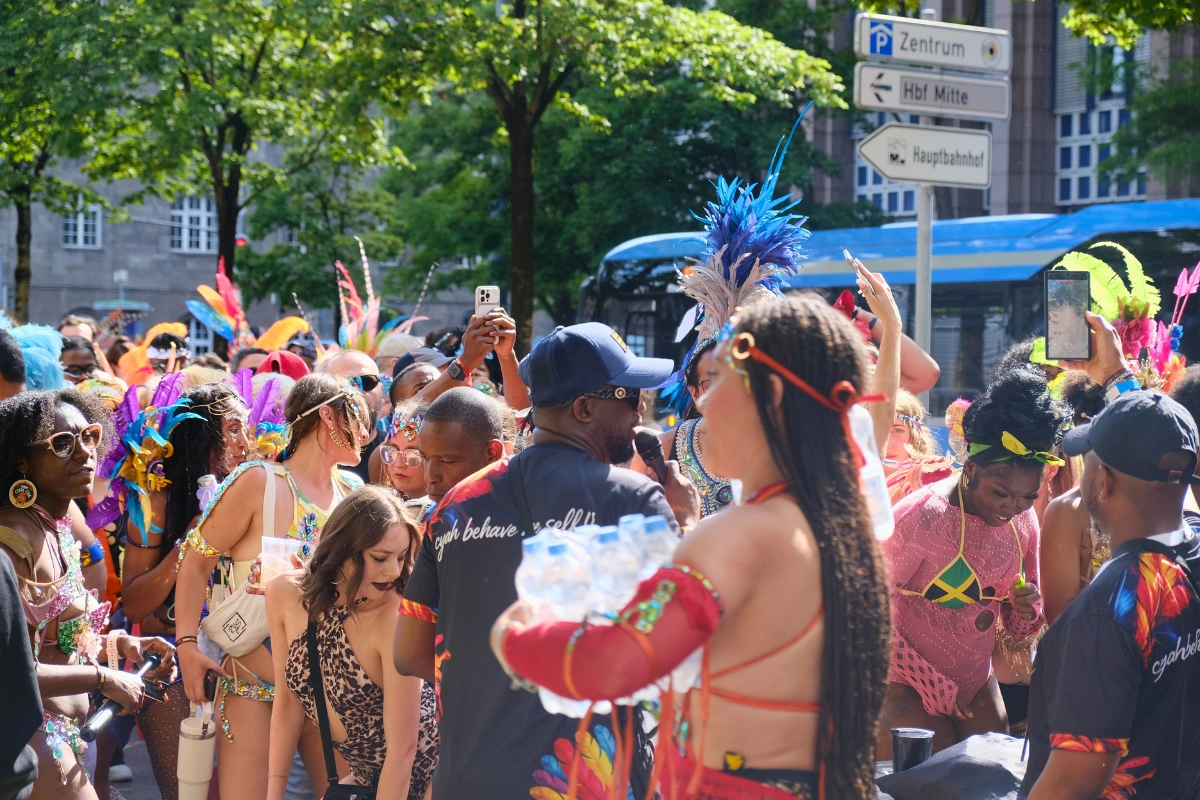
Participants wear intricate, thematic designs adorned with sequins, feathers, glitter, and beads, with months of work going into road pieces and headpieces.
The only event that starts after midnight and runs until dawn, with revellers out in pyjamas rather than costume.
At midnight on Shrove Tuesday a life-size effigy of King Momo is burned, ending the season and marking the start of Lent.
Date: January 9 – February 9, 2027 (TBC)
Location: Oranjestad & San Nicolas, Aruba
Time: Various times
Aruba's Carnival season officially opens on November 11, 2026 at 11:11 AM, when the full schedule of events is traditionally announced. The street celebrations get going on January 9 with the Torch Parade (Parada di Flambeu) lighting up Oranjestad, followed by weeks of jump-ins, tumba and calypso competitions, King and Queen elections and children's parades. The season builds to the Grand Parade in Oranjestad, with Carnival Monday — an official public holiday in Aruba — falling on February 8, 2027. Individual event dates, venues and times will be published in November — we'll update this page as soon as they are announced.
Note: Changes to the schedule are beyond our control, so please check for updates before finalizing travel plans.
Aruba is easy to reach whether you’re coming from elsewhere in the Caribbean, North America, or internationally.
Ready to lock in your flights? Use the search tool above to compare fares and find the best deal for your Carnival trip.
The best areas to stay are Oranjestad (for proximity to the parade route) and the Palm Beach and Eagle Beach hotel strip, both within easy reach of all Carnival venues.
Use the above map to find and book hotels close to the Carnival parade route!
Getting around Aruba during Carnival is easy thanks to the island’s small size and short travel times between Oranjestad, San Nicolas, and the main event areas.
Explore Arikok National Park for desert-meets-ocean scenery, take a UTV tour to the Natural Pool, or sail the coast on a snorkel cruise through crystal-clear Caribbean waters. Foodie at heart? Hit up local spots in San Nicolas for fresh seafood and Carnival-week street eats. Prefer a chill day? Park yourself on Eagle Beach with a rum punch in hand and watch the sunset paint the sky gold.
We’ve gathered some of our most useful Carnival travel blogs to help you plan for Aruba Carnival and other Caribbean festivals:


