The origins of Carnival in the Caribbean are multifaceted, intertwining indigenous customs, European influences, and the experiences of African slaves. The celebration holds various purposes and meanings, contributing to its enduring popularity in the region. Here are some of the key reasons why Caribbean countries celebrate Carnival:
Carnival in the Caribbean has its roots in the colonial history of the region. When European powers colonized the Caribbean, they brought with them various cultural practices, including pre-Lenten festivities. These practices blended with existing indigenous customs and the traditions of enslaved Africans, resulting in the unique and dynamic Carnival celebrations seen today.

Carnival has also evolved into a major economic and tourism driver for many Caribbean nations. The festivities attract both locals and international visitors, contributing to the local economy through increased tourism, hospitality, and the sale of Carnival-related merchandise.
The Caribbean is a melting pot of cultures due to its history of colonization, slavery, and migration. Carnival is an embodiment of this cultural fusion, representing the coming together of African, European, Indigenous, and sometimes even Asian influences. It serves as a powerful expression of the region’s diverse heritage and a celebration of the resilience and creativity of its people.
For many Caribbean countries, Carnival also holds elements of resistance and liberation. During the era of slavery, enslaved Africans used Carnival as an opportunity to temporarily escape the oppressive conditions they lived under. They would mock their oppressors through costumes, music, and dance, creating a space where they could assert their identity and freedom, if only for a short period.
Carnival often coincides with the end of the sugarcane harvest, which was a significant event in the Caribbean’s history. The celebration served as a way for communities to come together to commemorate their labor and to revel in their achievements. Over time, Carnival has become a powerful symbol of Caribbean identity and a way for communities to proudly showcase their distinct cultural heritages.
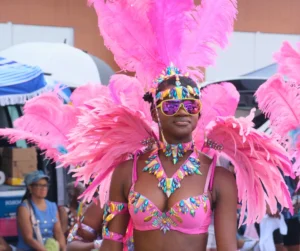
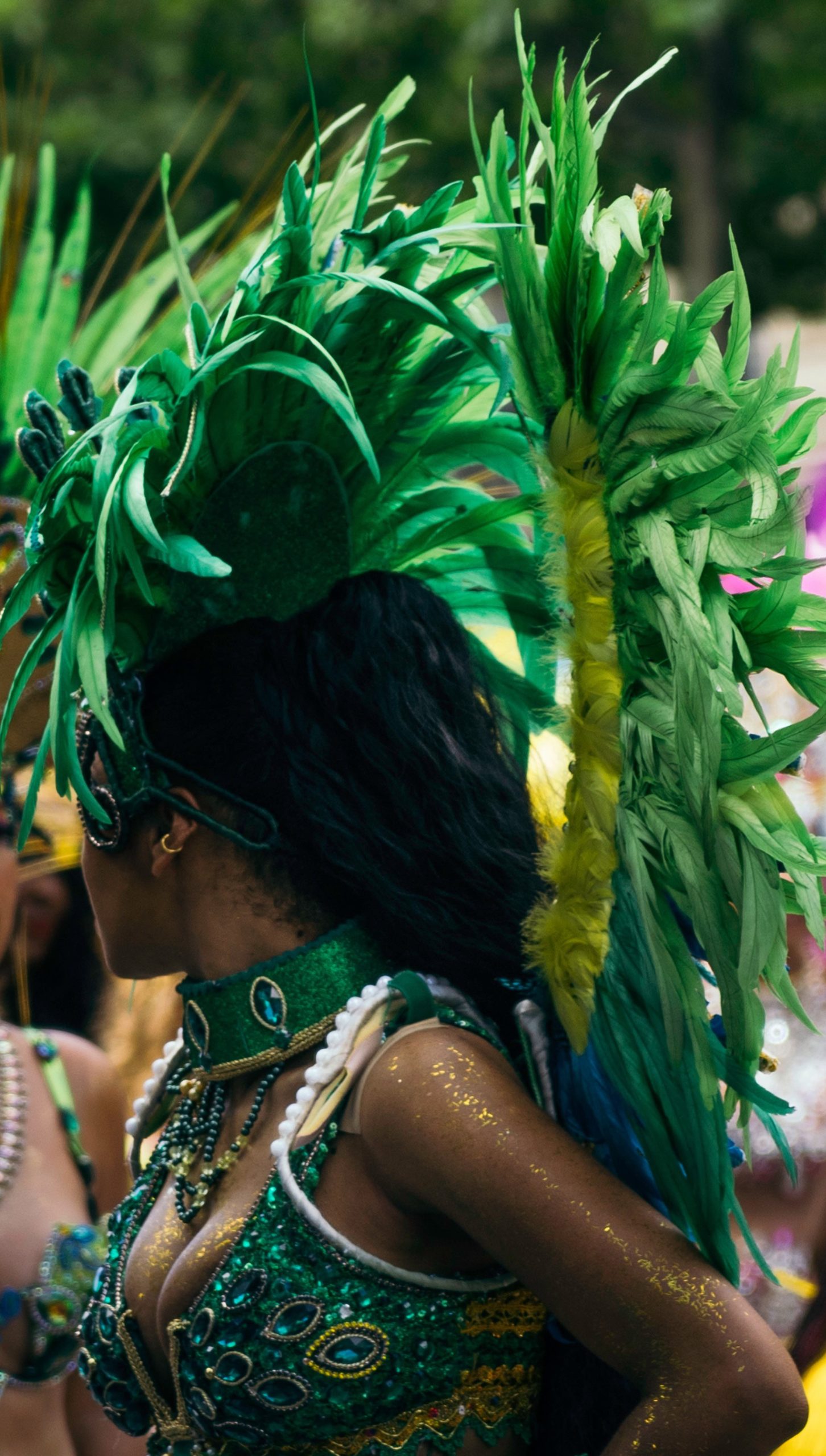
At its core, Carnival is a celebration of life, joy, and the human spirit. It provides an opportunity for people to let loose, dance, sing, and revel in the moment. The vibrant music, colorful costumes, and infectious energy of Carnival create an atmosphere of positivity and unity.
In conclusion, Caribbean countries celebrate Carnival for a multitude of reasons that encompass historical, cultural, social, and economic dimensions. This celebration serves as a living testament to the region’s complex history, the resilience of its people, and the power of cultural expression. Through Carnival, Caribbean communities come together to honor their past, celebrate their present, and shape their future while sharing their unique traditions with the world.
Caribbean Carnival is a cultural celebration rooted in history, creativity, and community, not just costumes and partying. It brings together music, masquerade, dance, and storytelling in ways that reflect the region’s rich and layered identity.
The modern Carnival tradition is most closely linked to Trinidad and Tobago, where European pre-Lenten customs blended with the cultural expressions of enslaved and later emancipated Africans. That fusion helped shape the Carnival format seen across the Caribbean today.
Carnival became a powerful space where formerly enslaved people could claim the streets, express freedom, and challenge social order through music, mas, and performance. Its roots are deeply tied to resistance, survival, and cultural pride.
J’ouvert means “daybreak” and marks the early morning opening of Carnival festivities. It is one of the most powerful expressions of Carnival freedom, carrying strong traditions of release, rebellion, and street culture.
“Playing mas” means taking part in masquerade by wearing costume and joining the Carnival procession. It is both performance and participation, with deep roots in storytelling, satire, and self-expression.
Costumes are a visual language of Carnival, blending artistry, identity, and spectacle on the road. They reflect the evolution of masquerade from traditional characters to the bold, modern designs seen today.
Calypso is one of Carnival’s most important storytelling forms, known for sharp wit, commentary, and social reflection. It has long given voice to the people, speaking on politics, culture, and everyday life.
Soca grew out of calypso and brought a faster, more energetic sound that matched the movement of the road. It became central to Carnival because it captures the spirit, excitement, and collective joy of the season.
Steelpan is one of the Caribbean’s greatest cultural inventions and a proud symbol of creativity born from struggle. Its sound is deeply tied to Carnival and remains a powerful expression of Caribbean identity.
No, every island and territory brings its own history, style, and traditions to Carnival. While the spirit of freedom and celebration connects them, each festival has its own distinct cultural flavour.
Specials are here!