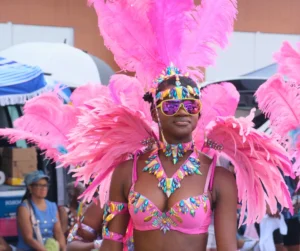
Carnival, a celebration of joy, unity, and cultural diversity, is incomplete without its pulsating rhythms and infectious beats. Over the years, carnival music has undergone a remarkable evolution, reflecting the fusion of cultures, traditions, and influences from around the world. In this blog, we embark on a rhythmic journey, tracing the fascinating evolution of carnival music from its roots in Samba to the vibrant sounds of Soca.
The story of carnival music begins in the vibrant streets of Rio de Janeiro, Brazil, where the rhythmic heartbeat of Samba first emerged. Born out of the fusion of African rhythms, European melodies, and indigenous influences, Samba became the soul of Brazilian carnival celebrations. Its infectious beats, characterized by syncopated rhythms and energetic percussion, quickly captivated the hearts of revelers worldwide.
As carnival celebrations spread across the Caribbean, new musical genres began to emerge, each adding its own unique flavor to the festivities. Calypso, originating from Trinidad and Tobago, became synonymous with Caribbean carnival culture in the mid-20th century. With its witty lyrics, lively melodies, and social commentary, Calypso provided a voice for the marginalized and served as a platform for cultural expression.
From the roots of Calypso, Soca (Soul Calypso) emerged in the 1970s, blending traditional Calypso rhythms with elements of funk, soul, and disco. Led by innovators like Lord Shorty (later known as Ras Shorty I), Soca revitalized the carnival music scene, infusing it with a modern sound and dynamic energy that resonated with younger audiences.
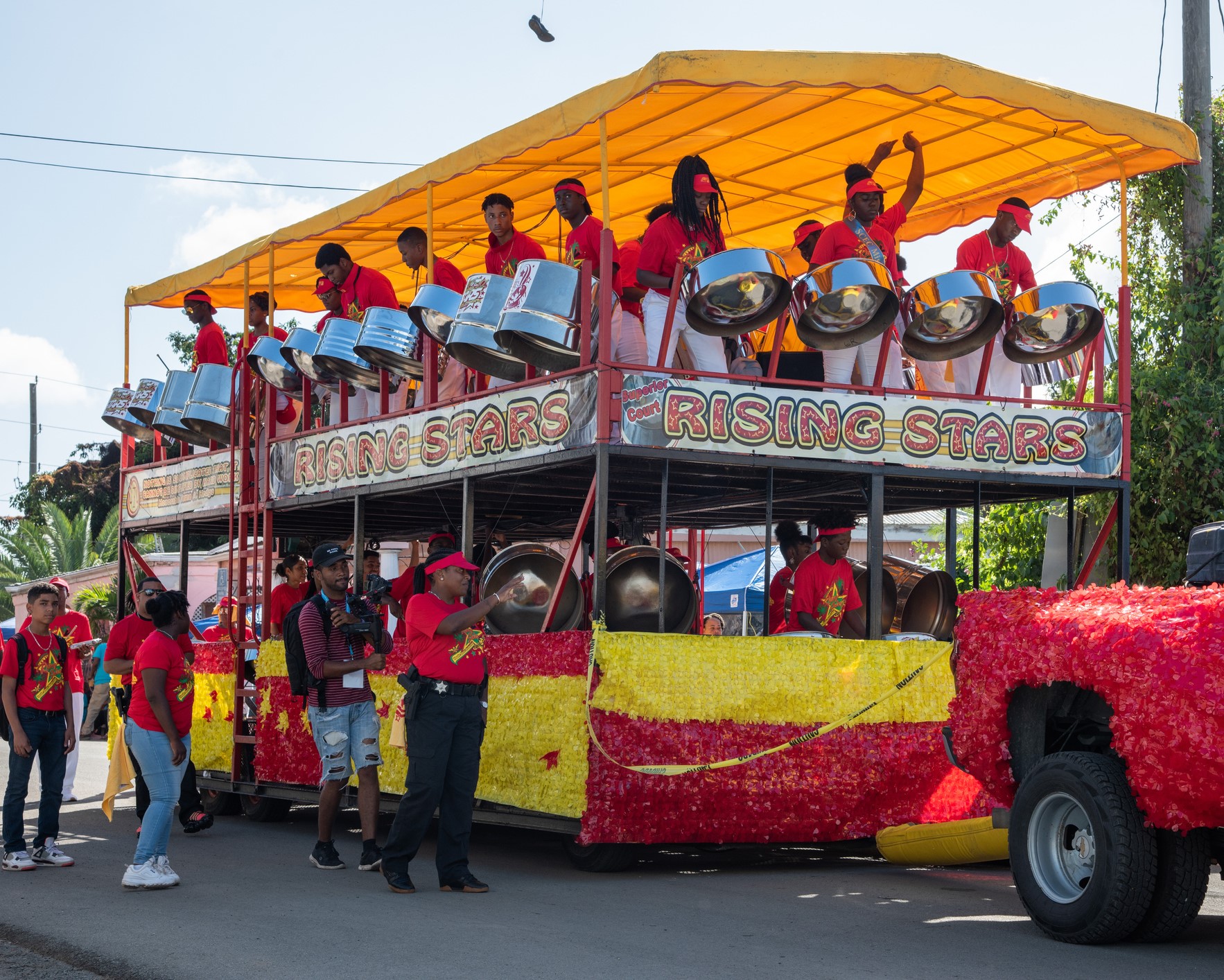
Driven by the diaspora and the globalization of music, carnival rhythms transcended borders, spreading far beyond their Caribbean and Brazilian roots. Today, Samba and Soca can be heard echoing through the streets of cities around the world during carnival celebrations, from London to New York, Toronto to Japan.

The evolution of carnival music continues unabated, fueled by innovation and a spirit of experimentation. Artists and musicians are constantly pushing boundaries, fusing traditional rhythms with contemporary sounds to create new genres and styles. From Afrobeat to Dancehall, Reggaeton to EDM, carnival music remains at the forefront of musical innovation, embracing diversity and celebrating unity.
As we reflect on the journey from Samba to Soca, one thing becomes clear: carnival music is more than just music—it’s a cultural phenomenon, a celebration of identity, and a testament to the power of rhythm and melody to unite people from all walks of life. As we dance to the infectious beats of carnival music, let us remember the rich history, vibrant traditions, and enduring legacy of this timeless art form.
Carnival music is the heartbeat of the celebration, bringing energy, movement, and culture to the road, fetes, and parades. It blends rhythm, storytelling, and community spirit in a way that helps define the Carnival experience.
One of the earliest major roots of Carnival music is Samba in Brazil, especially in Rio de Janeiro. Its sound grew from a mix of African rhythms, European melodies, and indigenous influences.
Calypso became a major part of Carnival culture in Trinidad and Tobago by giving people a way to express themselves through witty lyrics, storytelling, and social commentary. It brought not just vibes, but also voice and meaning to the celebration.
Calypso is known more for its lyrical depth, commentary, and melodic storytelling, while Soca is built for energy, movement, and the road. Soca grew out of Calypso and brought in a faster, more dance-driven sound.
Soca developed in the 1970s as a modern evolution of Calypso, blending it with influences like funk, soul, and disco. The result was a fresher, more high-energy sound that connected strongly with younger generations of Carnival lovers.
Samba is important because it became the defining sound of Brazilian Carnival and helped shape the global image of Carnival as a rhythm-filled street celebration. Its percussion, movement, and energy are central to the Rio Carnival experience.
Carnival music spread through migration, diaspora communities, and the global reach of festivals and popular music. That’s why you can now hear Samba, Calypso, and Soca at Carnival celebrations far beyond Brazil and the Caribbean.
Yes — Carnival music is always evolving as artists mix traditional sounds with newer genres and influences. That constant fusion keeps it fresh while still holding on to its cultural roots.