Carnival and Mardi Gras are two exuberant celebrations that ignite the streets with vibrant colors, lively music, and a spirit of revelry. While these festivities share certain similarities, they are also marked by distinct cultural origins, traditions, and regional flavors that set them apart. To truly appreciate the nuances of these two remarkable events, let’s delve into how Carnival differs from Mardi Gras.
The term “Carnival” finds its roots in Latin words that signify “farewell to meat,” reflecting its historical connection to the Christian season of Lent. This global celebration has been embraced by various cultures, each infusing it with their unique traditions. Countries such as Brazil and Trinidad and Tobago are known for their extravagant Carnival celebrations that blend indigenous, European, and African influences.
Mardi Gras, French for “Fat Tuesday,” is intrinsically linked to the Christian observance of Shrove Tuesday. The festivities are centered around indulgence and feasting before the fasting period of Lent begins. Mardi Gras is prominently associated with New Orleans in the United States, where it has developed a distinctively vibrant and diverse culture.
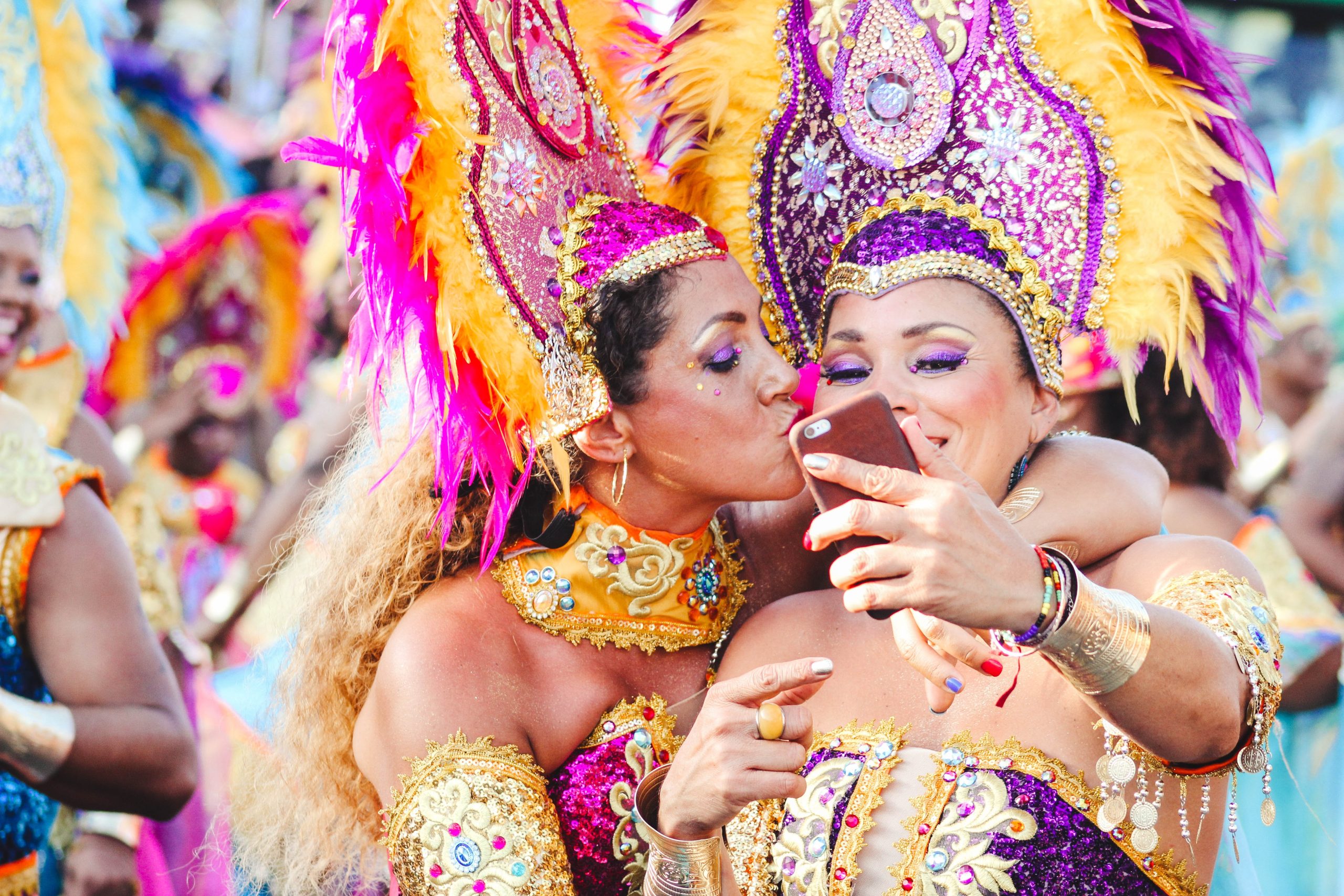
Carnival is a season that varies in length across different cultures and regions. It often begins in January or February and culminates on Fat Tuesday, the day before Ash Wednesday, which marks the start of Lent. The period leading up to Fat Tuesday is characterized by a series of events, parties, and parades that showcase the community’s cultural heritage.
In contrast, Mardi Gras refers specifically to the day before Ash Wednesday. The festivities leading up to Mardi Gras are a concentrated burst of celebration, typically spanning a few days or even just the final weekend before Ash Wednesday. The most famous Mardi Gras celebrations take place in New Orleans, with elaborate parades and lively street parties.
Carnival is a global phenomenon celebrated in numerous countries around the world, each infusing it with their unique cultural flavors. Rio de Janeiro’s samba-filled extravaganza, Venice’s elegant masquerade balls, and Trinidad and Tobago’s vibrant soca parades are just a few examples of the diverse interpretations of Carnival.
While Mardi Gras is celebrated in various parts of the world, it has gained the most prominence in New Orleans, Louisiana. The city’s multicultural history has shaped its distinctive Mardi Gras traditions, which include elaborate floats, “krewes” organizing parades, and the famous throws of beads, trinkets, and doubloons.
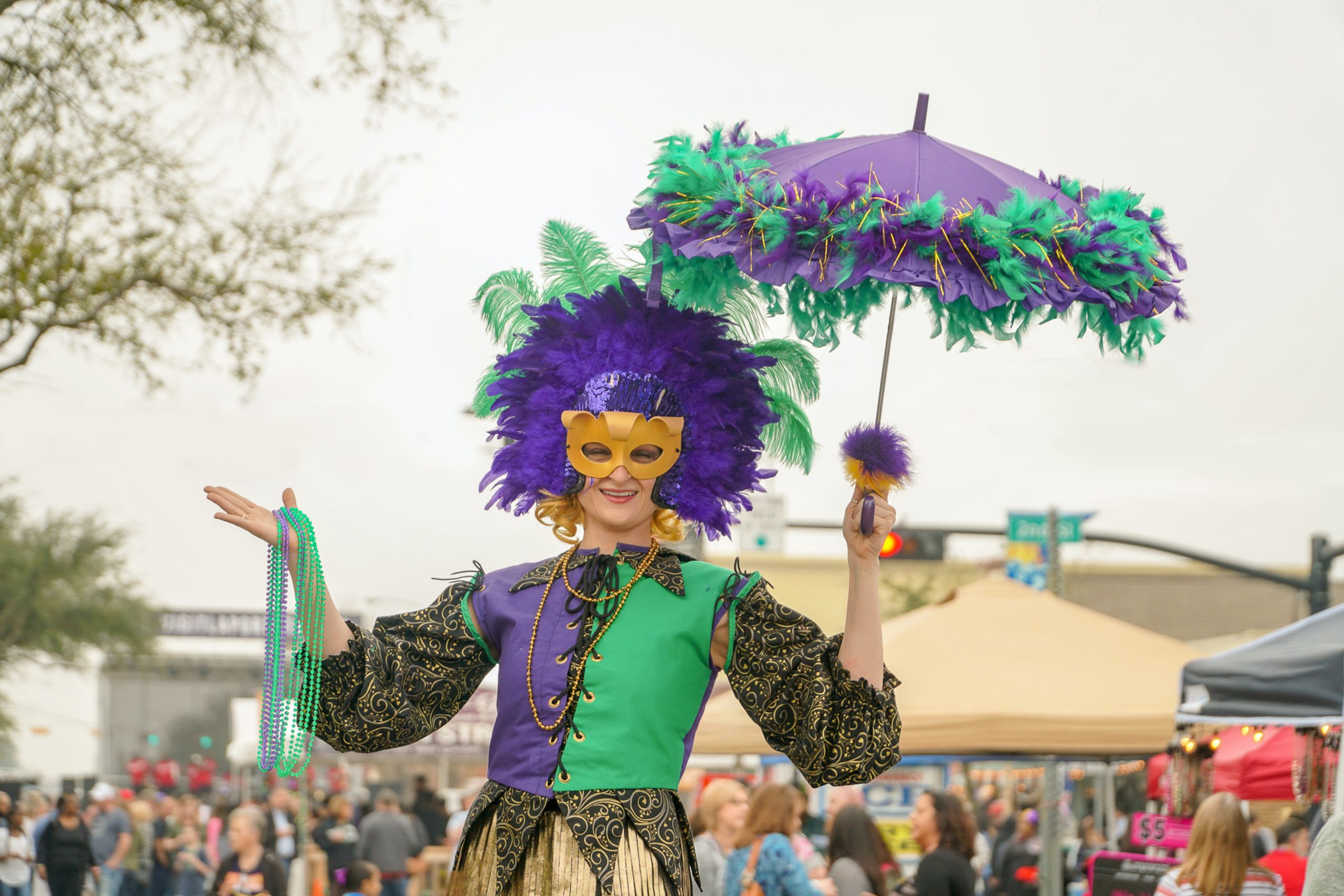
Carnival is characterized by its elaborate costumes, exuberant parades, and lively music and dance. It often features themes that highlight cultural diversity, historical narratives, and artistic expression. Participants spend months crafting intricate costumes and floats that reflect their heritage and creativity.
Mardi Gras in New Orleans emphasizes the spectacle of elaborate floats and the throws of colorful beads and trinkets. Krewes, which are social organizations, take center stage in planning and executing parades, each with its own distinct theme and style. The event is also known for its lively street parties, live music, and Cajun and Creole cuisine.
In conclusion, while Carnival and Mardi Gras share common threads of exuberance, indulgence, and community celebration, their distinct origins, cultural roots, geographical variations, and unique traditions make each of these events a one-of-a-kind experience. Whether it’s the samba rhythms of Rio’s Carnival or the vibrant street parties of New Orleans’ Mardi Gras, both festivities offer a window into the rich tapestry of global culture and the boundless human capacity for joyful expression.
Carnival is a broader festive season celebrated in different countries and cultures, usually leading up to Lent. Mardi Gras refers more specifically to Fat Tuesday, the final day before Ash Wednesday, although people often use it to describe the wider celebration around that date.
Not exactly — Mardi Gras is part of the wider pre-Lenten tradition, but Carnival is the bigger umbrella term used globally. In simple terms, all Mardi Gras celebrations connect to that season, but not all Carnival celebrations are called Mardi Gras.
Carnival as a broader tradition came first, with roots tied to older seasonal and pre-Lenten celebrations. Mardi Gras developed as a more specific expression of that tradition, especially in French and Creole cultural contexts.
Mardi Gras is most strongly linked to New Orleans because the city developed its own iconic version of the celebration through its French, Creole, and multicultural history. Today, its krewes, bead throws, floats, and street parties make it one of the most recognisable Mardi Gras celebrations in the world.
Caribbean Carnival tends to focus more on mas, soca, calypso, road culture, and the energy of masqueraders moving through the streets. Mardi Gras, especially in New Orleans, is more closely tied to krewes, float parades, throws, and local Cajun and Creole traditions.
They are connected to the same pre-Lenten season, but the timing can feel different depending on the destination. Carnival can stretch across weeks or even months, while Mardi Gras is centered more tightly around the final days before Lent.
Carnival is known for elaborate costumes, street parades, music, dance, and strong cultural storytelling through mas and performance. The exact traditions vary by country, which is why Carnival feels different in places like Trinidad, Rio, Venice, or London.
Mardi Gras is especially known for float parades, krewes, beads, doubloons, themed throws, and lively street celebrations. In New Orleans, food, music, and neighbourhood traditions are also a huge part of the experience.
Specials are here!