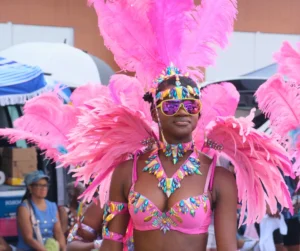
We attended Malta Carnival 2026 and came back with one clear conclusion: five days is the sweet spot. It gives you enough time to catch the floats, the choreography, and the full spectacle without burning out, while still leaving room to actually see Valletta and the wider island beyond the parade route. This Malta Carnival itinerary is exactly how we spent our trip, and it’s yours to follow, adapt, or run with entirely.
If you want the full picture before you dive in, read our Malta Carnival 2026 recap first.
Malta Carnival runs five days each February (Friday through Shrove Tuesday), with the main shows centred on St George’s Square and Republic Street in Valletta, and the Gran Finale closing out in Floriana. If you’re coming from a Caribbean Carnival background, know that Malta does things differently. This isn’t a street parade and jump-and-wave energy. It’s structured, performance-driven, and deeply artistic. Choreographed dance troupes, elaborate competing floats, and a crowd that genuinely shows up for the craft. Once you understand that, you’ll experience it on a whole different level. Tickets for seated viewing in St George’s Square range from €7–20 and sell out fast for weekend shows, so book as soon as the official programme drops. Not every session needs a ticket; the floats travel through the streets on their way to and from the square, and catching them from the roadside is a solid free option on days when you’re saving your seat for the bigger shows.


We stayed at 66 Saint Paul’s Boutique Hotel and the location alone made the whole trip smoother. St George’s Square was a five-minute walk, which meant we could duck back between programmes to rest and freshen up without missing a beat. The hotel blends historic Maltese limestone with clean, modern interiors, and during Carnival week, being that close to the action is genuinely priceless. For a full breakdown of neighbourhoods including Floriana, Sliema, and St Julian’s, head to our Where to Stay for Malta Carnival guide.

Head straight to 66 Saint Paul’s Boutique Hotel and drop your bags. Even if the room isn’t ready yet, you’re a five-minute walk from St George’s Square (which is exactly where you want to be right now).
Start the trip right with coffee and pastizzi at Caffe Cordina on Republic Street (a Valletta institution since 1837). Take your time walking over; you’ll already spot Carnival crews adjusting floats and costumes along the way. The city is in full preparation mode and the energy is something else.
Walk Republic Street end to end to get your bearings. Costume shops line the street during Carnival week, and here’s the thing: anyone can wear a costume or mask. Locals absolutely do. If you’re open to it, picking up something simple is the easiest way to feel part of the celebration rather than just a spectator.


Trabuxu Bistro on Strait Street is a solid first lunch in Valletta. The confit rabbit with tomato chutney and fennel is the dish to order here, and exactly the kind of thing you should be eating in Malta. A step up from casual, so come with an appetite and expect a proper sit-down meal rather than a quick bite.
Free to enter and honestly one of the best views in Valletta, with sweeping Grand Harbour panoramas and a good place to slow down before the afternoon picks up. Take it in.

The indoor Carnival Exhibition runs from late January through the end of February. Go before you see the shows and it changes everything. You’ll understand the craftsmanship behind the floats, the detail on the costumes, and the history of what you’re about to watch on the street. Worth every minute.
By now your room should be ready, so head back to 66 Saint Paul’s Boutique Hotel to settle in properly. The opening parade draws a serious crowd. Rest your feet, change up, and get ready. The evening is the real start of your Malta Carnival experience.
The official opening programme takes place in the early evening, with floats, competitive dance groups, grotesque masks, and the kind of energy that reminds you why people travel for this. Watch for the Parata at the opening: a ritual sword dance reenacting Malta’s victory at the Great Siege of 1565. The locals say it plainly: no Parata, no Carnival. Food vendors are set up inside the square throughout the show, so you won’t need to go far if hunger hits between performances.

We ended up at Mamavon Bistro on Old Theatre Street and it’s one we’d send anyone back to. The calamari is the order – we still talk about it. Warm atmosphere, well-priced, and close enough to the square that you won’t be walking far after a long first day.
Start the day at the hotel breakfast buffet before heading out. The morning programme starts early and the square fills up faster than you’d expect, so eat well and get moving.
The Children’s Carnival runs through mid-morning, with dance schools, the King Carnival float, and costumes on every single child in the square. This session will show you quickly that Malta Carnival isn’t built for tourists. It belongs to the community, and you’re just lucky enough to be invited. This is your ticketed square session for the day.

We headed to Is-Suq Tal-Belt (Valletta Food Market) on Merchants Street after the show and it was the right call. It’s a beautifully restored Victorian food hall with vendors across three floors covering everything from Maltese dishes to international options – perfect when you want something casual and quick after a full Carnival day. Grab what calls to you and find a table. If you’re after a sit-down dinner instead, Zero Sei Trattoria Romana on Old Theatre Street is close by and known for its rigatoni alla carbonara. Book ahead for Carnival weekend.
This one is free and it’s a must. Il-Qarċilla is Malta’s centuries-old wandering farce in rhyming verse, performed right on Ordinance Street throughout the afternoon at regular intervals. Sharp, satirical, deeply Maltese, and completely unlike anything else in the programme. Catch one performance and stay for a second if it lands. The script pulls from current events and the crowd reaction is half the show.
Instead of heading back into the square for a second ticketed session, position yourself along the street and catch the floats as they make their way toward St George’s Square. Same floats, same costumes, no ticket, and honestly a more spontaneous, street-level experience that feels closer to how locals actually enjoy it.

Before dinner, walk the length of Strait Street. It’s Valletta’s old entertainment strip and during Carnival week it comes alive with bars, music, and costumed locals spilling out from the venues. A completely different energy from the square and a good way to decompress after a full day of Carnival.
Trabuxu Wine Bar sits right on Strait Street and is the natural stop before dinner. It’s well regarded for its Maltese wine selection – ask the staff what’s local and let them guide you. A relaxed way to transition from the street energy into a proper sit-down evening.
Legligin on St Lucia’s Street is the dinner you book in advance and show up hungry for. It’s a Michelin Guide-listed restaurant running a blind tasting menu. No a la carte, just sit back and let them feed you. The rabbit stew and linguine with local rabbit are what this place is known for. If aljotta (traditional Maltese fish soup) is on that day’s menu, order it. Book your table before you leave for Carnival week.
Book your Legligin table at least two weeks before you travel, not just before Carnival week. It’s a small restaurant running one menu and it fills up fast.

The Bagel Hole on Melita Street is a short walk from the hotel and worth the detour before the parade picks up. It’s Valletta’s only dedicated bagel shop, hand-rolled and NY style, and the salmon bagel (house-cured lox, tomato, caper berries, pickled red onion, and dill) is the one to order. Small space, so it can get busy, but it’s quick enough to fit before the morning gets going.
Rather than using a square ticket this morning, find yourself a good spot along the street and watch the floats move through the route toward the square. You get a close, unhurried view without the enclosure, and you’re saving your ticket for the bigger shows later in the week. Trust us on this one.

Take the Sliema Ferry from the Valletta Waterfront (a 10-minute crossing that runs every 30 minutes). Once you’re across, head straight to Trattoria del Mare on the Sliema promenade for lunch. It’s right on the seafront with views back toward Valletta, and the linguine alle vongole and the seafood risotto loaded with mussels and prawns are what this place is known for. Note that seating is outdoors, so check the weather before you commit.
Board the 90-minute cruise from Sliema past Manoel Island, the Grand Harbour, and the Three Cities. We did this trip and it genuinely changes how you see Valletta. The scale of the fortifications from the water is something you simply cannot get on foot.
Sit on the right side of the boat as you depart Sliema for the best views of Valletta’s fortifications. The left side gets you Manoel Island on the way out but misses the main event.


You’re already there, so walk the waterfront, grab a coffee, and take in the views back toward Valletta before catching the ferry home.
You’re already in Sliema, so stay for dinner. Machu Picchu is Malta’s Peruvian restaurant, tucked into Sliema’s Plaza Shopping Centre, and it’s worth making the trip for. The mixed seafood ceviche – prawns, calamari, and octopus marinated in citrus juice with ahi amarillo chilli – is the standout dish and a completely different flavour from everything else on this itinerary. The causa (layered mashed potato with yellow pepper sauce) is worth ordering alongside it. Catch the ferry back to Valletta after dinner.

Grab breakfast at the hotel or pick up a pastizzi from a stall on your way to the bus stop. You want to be on the road early for Mdina.

Early start today for a half-day trip to Mdina, Malta’s ancient walled capital. Bus X3 from Valletta takes about 30 minutes and drops you right at the gate. Go early; the city earns its nickname “the Silent City” and the morning hours are when it actually lives up to it, before the tour groups arrive.
Wander Mdina’s narrow limestone streets and then cross into the neighbouring town of Rabat. St Paul’s Catacombs are here (a Punic, Roman, and Byzantine burial ground that represents the oldest archaeological evidence of Christianity in Malta). The interconnected underground chambers date back as far as the 7th century AD. If you have an hour to spare, it’s worth the detour.
Bus back to Valletta in time for the midday cannon. Don’t sleep on this one.

A quick stop atop the bastions before heading down to the Battery, with good views toward Sliema and a nice moment of calm before the afternoon gets going.
The Saluting Battery fires daily except Sunday at noon and again mid-afternoon. You can watch for free from Upper Barrakka Gardens above, or pay a small fee to get down on the platform itself. Standing there as the cannon fires with Valletta’s golden architecture behind you genuinely feels like stepping into another century.
The mid-afternoon firing draws a smaller crowd than noon. If you want more space on the platform, time your visit for the afternoon slot instead.

Café Barrakka sits right by Upper Barrakka Gardens, a two-minute walk from the Saluting Battery, and it’s exactly where you want to land after the cannon fires. Casual, well-priced, and popular with locals more than tourists. The Maltese platter is the order here: a spread of local cheeses, sausages, olives, and bread that’s easy to share and doesn’t require a booking.
Right on St George’s Square so there’s no extra travel involved. The newly restored Grand Master’s Palace covers 450 years of Maltese history and opens up over 85% of the building to visitors, including the magnificent Armoury. Spend a couple of hours here and you’ll understand the square you’ve been sitting in all week on a completely different level.
Book your timed entry online before the trip. Queues build during Carnival week and an advance slot means you walk straight in.
The Monday evening programme is one of the biggest performances of the week outside the Gran Finale. This is your ticketed square session for the day, so make sure you’ve got your seat booked. Food vendors are inside the square if you didn’t get a chance to eat before the show starts.

Porticello on Boat Street sits right at the water’s edge with views of the harbour – a proper wind-down after a big show night. It’s Valletta’s top seafood restaurant and the mixed fresh fish grill is what this place is built around. Head away from Republic Street after the show and it’s an easy walk down to the waterfront.
Tribe Valletta is a well-regarded brunch spot that we’d point you toward for a relaxed sit-down start to the last day. The Eggs Benedict on sourdough brioche is the one to order, or go for the Sweet Soul Sister if you want something lighter (salmon and avocado). Take your time with it; you’ll want the energy for tonight.
Take the water taxi across the Grand Harbour to the Three Cities: Birgu (also called Vittoriosa), Senglea, and Cospicua. The traditional dgħajsa boats leave from Lascaris Wharf, at the foot of the Barrakka Lift below the Upper Barrakka Gardens. They go when they are full rather than to a timetable, so bring cash for the boatman and expect a short wait. Two Heritage Malta sites are worth your time: Fort St Angelo, the medieval stronghold that served as the Knights of St John’s headquarters and later as a Royal Navy base until the last foreign troops marched out in March 1979; and the Inquisitor’s Palace, built in the 1530s and now home to the National Museum of Ethnography. The views back toward Valletta from Senglea Point are genuinely some of the best on the island, so take a moment.


The water taxi drops you back at the Valletta Waterfront and Cockney’s is right there on Marsamxett Wharf – a family-run seafood restaurant with views of Fort Manoel Island. The fish is bought daily from local fishermen and the grilled octopus and grilled sea bass are what this place is built around. A light but proper lunch before the biggest show of the week.
One last walk through Republic Street before it fills up for the evening. If you still haven’t tried the Prinjolata, this is your last chance, so don’t leave Malta without it.

The Gran Finale deserves the full experience. Freshen up, get dressed, and give yourself a moment before the evening kicks off.
The closing show features every competitive dance company across all sections. Every float, every costume, every performance of the week has been building toward this moment. This is your last ticketed square session, so be present for it.

After the square show, the parade moves along St Anne’s Street in Floriana (a short walk from Valletta’s city gate). The street fills up quickly so get your spot early and stay for the close. This is how Malta says goodbye to Carnival for another year.
The Floriana parade starts while the St George’s Square show is still running. Leave the square slightly before the end to get a good spot on St Anne’s Street before the crowd follows.
Il-Ħorża on St Christopher Street is the farewell dinner – cosy, candlelit, and intimate, run by owner James Debono with the kind of warmth that makes you feel like a regular on your first visit. The menu leans Mediterranean and Maltese with international touches: the local rabbit stew is the standout, alongside tagliatelle and steak frites for those after something different. It’s a small venue so book well in advance; tables go fast on Gran Finale night. If you can’t get a table, The Harbour Club on Barriera Wharf is the backup: Grand Harbour views, saffron risotto with calamari, and red prawn carpaccio that diners keep coming back for.
On your way out, the Valletta Waterfront (Pinto Wharf) is worth a final stroll, a harbour promenade just outside the city walls with the kind of quiet that only comes after five days of non-stop Carnival.

Malta Carnival is the kind of festival that rewards you for showing up fully. Five days gives you enough time to catch the grand parade, soak in the evening shows, explore beyond Valletta, and still have room to breathe. Book your St George’s Square tickets early, keep one afternoon loose for the unexpected, and trust the programme. The organisers know what they’re doing.
Use this Malta Carnival itinerary as your starting point, then head to Where to Stay for Malta Carnival to lock in your base before the best spots fill up.
Malta Carnival runs for five days each February, opening on a Friday and closing on Shrove Tuesday. The exact dates shift year to year depending on when Lent falls. In 2027, those dates are February 5–9, 2027.
Five days is the sweet spot. It gives you enough time to catch the key shows, explore Valletta, and fit in at least one day trip without burning out. Three days is workable if your schedule is tight, but you’ll need to prioritise.
No. Street parades and float processions are free to watch from the roadside. Only seated viewing inside St George’s Square requires a ticket, ranging from €7–20 per session. Tickets are available here.
No season pass exists. Tickets are sold per session through the official Festivals Malta ticketing platform. Weekend shows sell out fastest, so book as soon as the programme drops (typically mid-January).
Il-Qarċilla is Malta’s centuries-old wandering farce in rhyming verse, performed free on Ordinance Street during Carnival week. It is one of the most distinctly Maltese experiences the festival offers.
Carnival organisers can shift parade times or routes at short notice when the weather turns. If outdoor programming gets pushed, the indoor Carnival Exhibition (running through most of February with costumes, masks, and float artistry on display) is the easy fallback. For something deeper, Underground Valletta takes you beneath the city into tunnels and chambers used during the Knights’ era and as WWII civilian shelter – pre-booking is required so reserve a slot in advance just in case.
Specials are here!