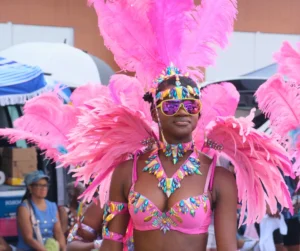
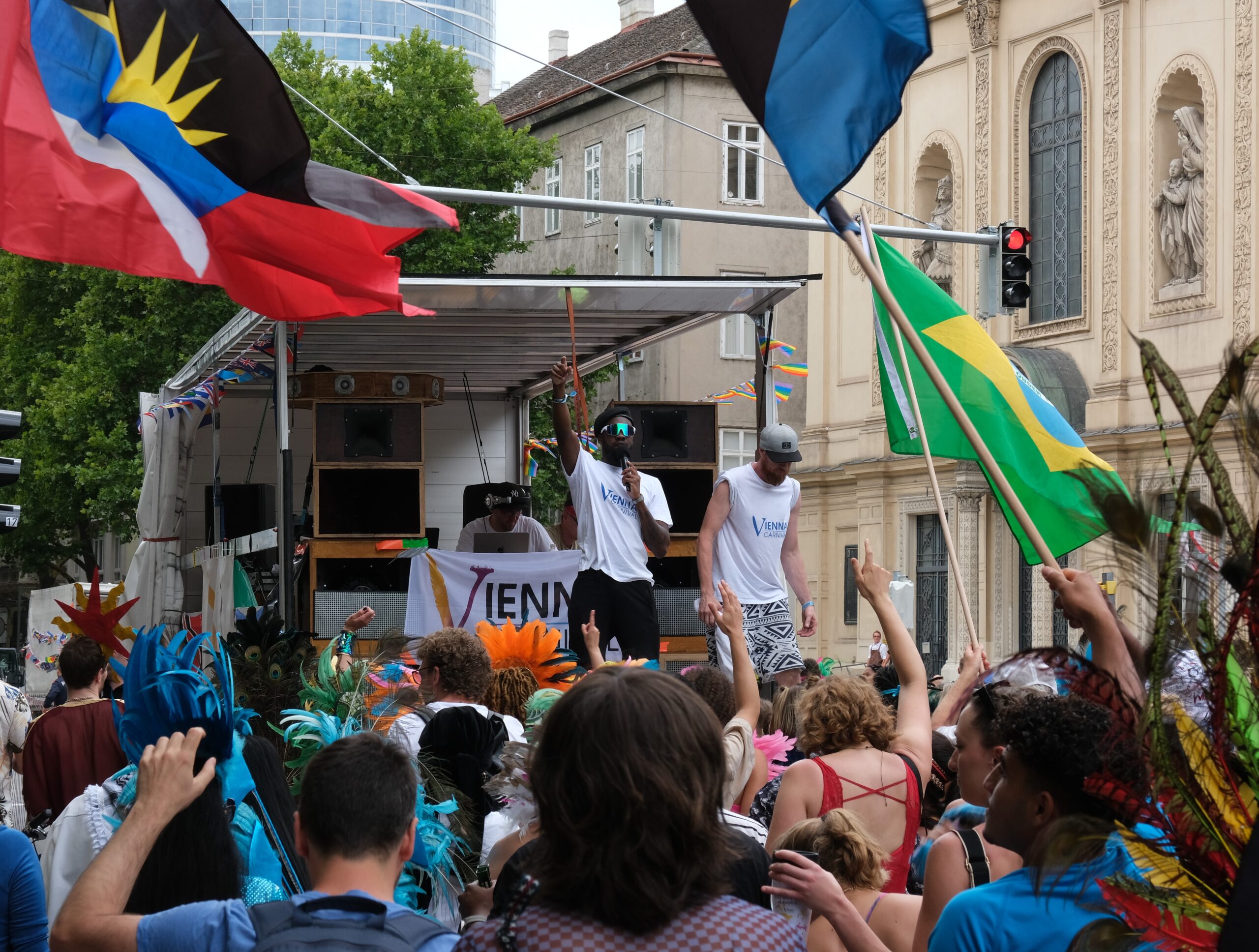
At Vienna Carnival this past July 4–6, I was chipping down the road when a bright‑eyed reveler tapped my shoulder and asked, “Wait—why are we celebrating again?”
As a former educator, nothing delights me more than a teachable moment. Carnival isn’t just a party; it’s a joyful, rebellious, history‑soaked expression of Caribbean resistance and creativity. So, let’s clear up five stubborn misconceptions that keep popping up in comment sections and parade routes alike.
Reality: Carnival is the Caribbean’s living history lesson—served with bass.
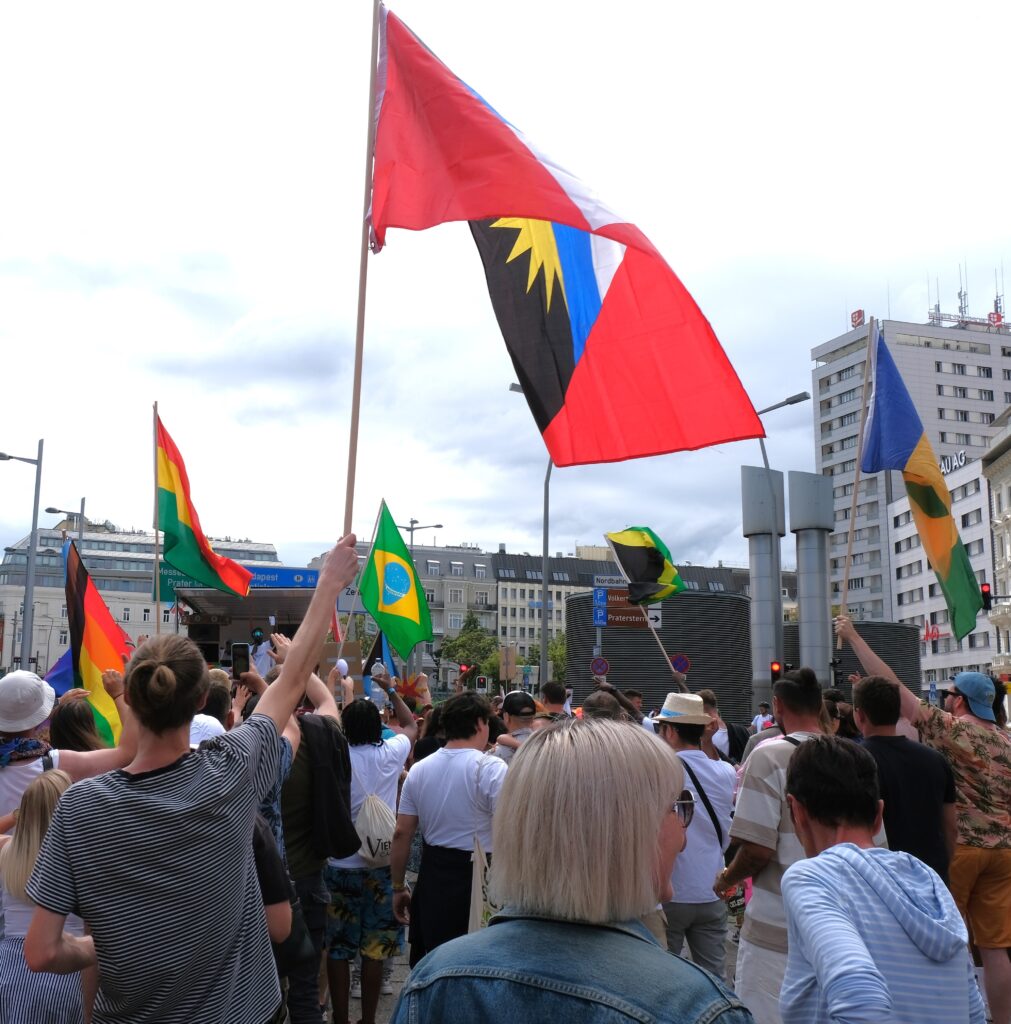
Reality: Carnival costumes are political armor.
Feeling shy? Many bands now offer mid‑coverage frontline options and t-shirt sections so you can join the fun in full confidence.
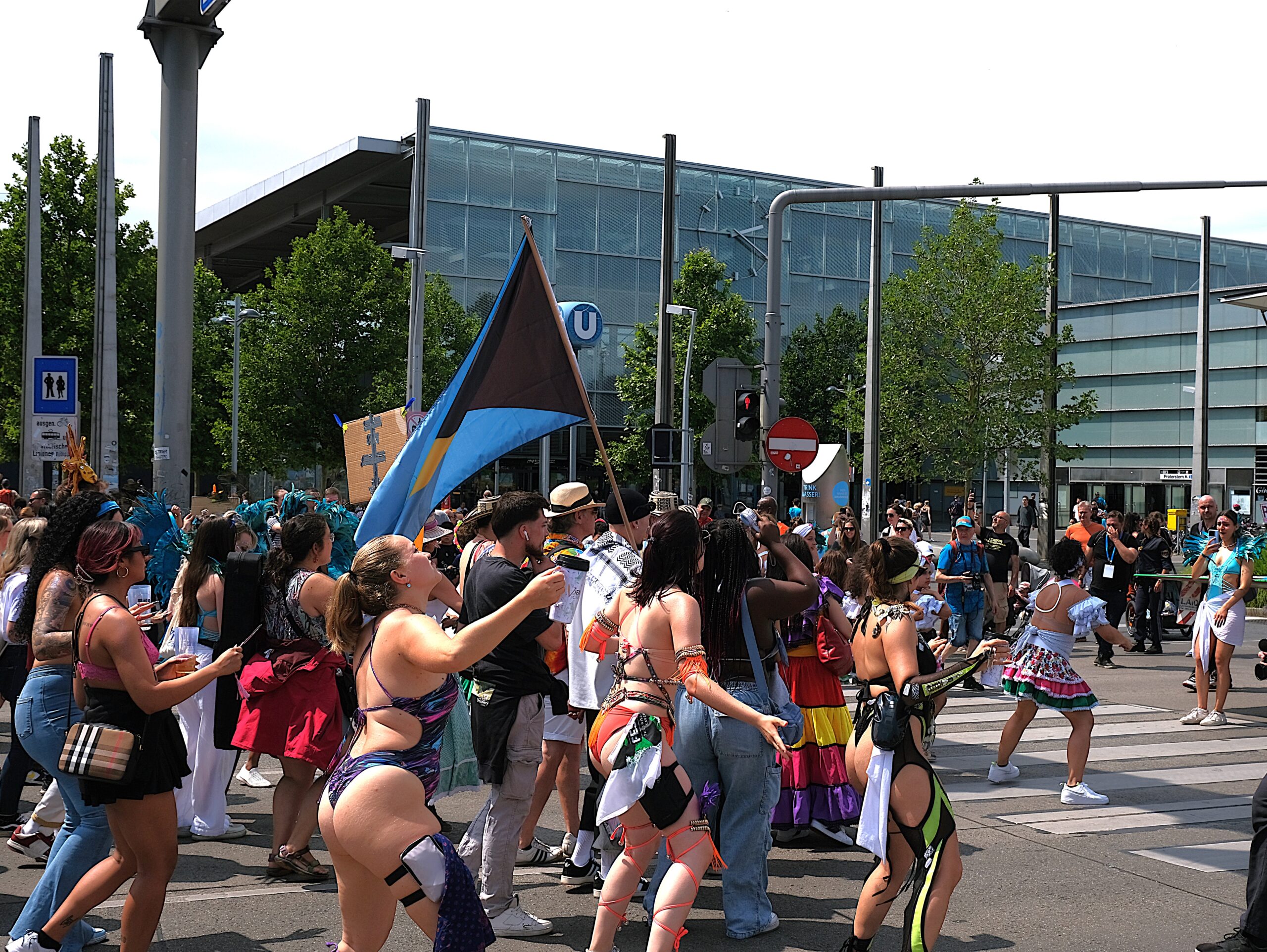
Reality: Successful masqueraders train like 5K athletes (with better playlists).
Reality: Each island spins its own flavor of mas.
Reality: Global Carnivals carry the same heartbeat—just in a different postcode. And, these events keep second‑ and third‑generation Caribbean kids connected to ancestral traditions.
The Vienna Carnival Recap proves just how authentically Caribbean, a European road march can feel!
Playing mas isn’t solely about looking Instagram‑ready—though let’s not lie, the photos slap. It’s about honouring a legacy of resistance, creativity, and pure joy. The next time someone side‑eyes your feather‑backpack, hit them with these history gems—and then buss a waistline on their doubtful spirits.
See you on the road—just follow the riddim and remember: Every chip is a lesson, every wine a story.
Caribbean Carnival is a cultural celebration rooted in history, creativity, and community, not just costumes and partying. It brings together music, masquerade, dance, and storytelling in ways that reflect the region’s rich and layered identity.
The modern Carnival tradition is most closely linked to Trinidad and Tobago, where European pre-Lenten customs blended with the cultural expressions of enslaved and later emancipated Africans. That fusion helped shape the Carnival format seen across the Caribbean today.
Carnival became a powerful space where formerly enslaved people could claim the streets, express freedom, and challenge social order through music, mas, and performance. Its roots are deeply tied to resistance, survival, and cultural pride.
J’ouvert means “daybreak” and marks the early morning opening of Carnival festivities. It is one of the most powerful expressions of Carnival freedom, carrying strong traditions of release, rebellion, and street culture.
“Playing mas” means taking part in masquerade by wearing costume and joining the Carnival procession. It is both performance and participation, with deep roots in storytelling, satire, and self-expression.
Costumes are a visual language of Carnival, blending artistry, identity, and spectacle on the road. They reflect the evolution of masquerade from traditional characters to the bold, modern designs seen today.
No, every island and territory brings its own history, style, and traditions to Carnival. While the spirit of freedom and celebration connects them, each festival has its own distinct cultural flavour.
Specials are here!