Before you even see Carnival… you hear it. A bright, melodic rhythm floating through the air. Drums—but not quite drums. Music that feels like sunshine, movement, and freedom all at once.
That sound? That’s steelpan.
If you’re new to Carnival culture, understanding steelpan music is a game-changer. It’s not just another instrument—it’s the heartbeat of Carnival, especially in Trinidad & Tobago where it was born.
So let’s break it down, vibez style!
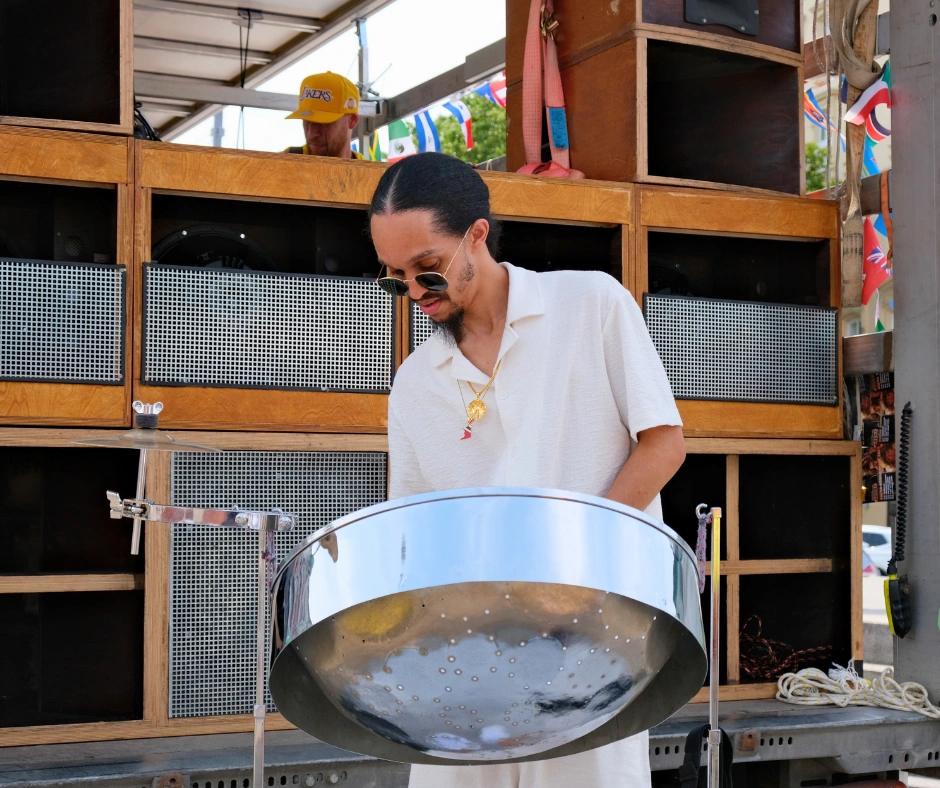
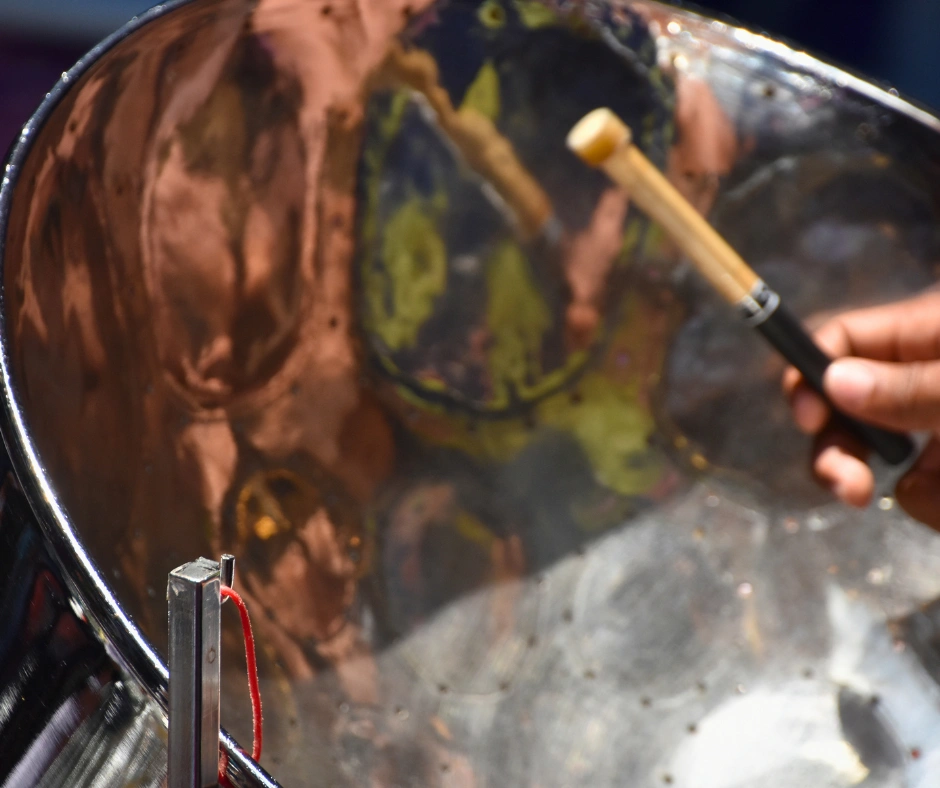
Steelpan (or “pan”) is a musical instrument made from repurposed oil drums, and yes—it sounds way more beautiful than you’re imagining right now. Each pan is carefully shaped, tuned, and arranged so it can play full melodies, chords, and harmonies. That means it’s not just keeping rhythm—it’s literally carrying the entire song.
It’s also:
Steelpan didn’t just appear—it was born out of struggle. During colonial times in Trinidad, enslaved Africans and their descendants used drums as a form of expression, communication, and culture. But those drums were banned by colonial authorities.
So people adapted. They turned to:
What started as restriction turned into innovation. Over time, those oil drums were refined, tuned, and transformed into what we now know as steelpan.
Steelpan is more than music—it’s resistance, creativity, and survival turned into sound.
Fast forward to modern-day Carnival, and steelpan is front and center. If you’re in Trinidad during Carnival season, you’ll hear pan everywhere—from small neighborhood rehearsals to massive competitions.
Panorama is the biggest steelpan competition in the world. Full orchestras (sometimes 100+ players) perform powerful, high-energy arrangements of soca songs. The energy? Unreal.
Before Carnival, bands rehearse nightly in “pan yards.” Locals, visitors, and first-timers pull up, lime, and soak in the music. This is one of the most authentic ways to experience steelpan culture.
While trucks and DJs dominate parts of the road, steelpan still plays a huge role in shaping the overall sound and spirit of Carnival.
Let’s be real—steelpan has layers. Here are a few things most people don’t expect:
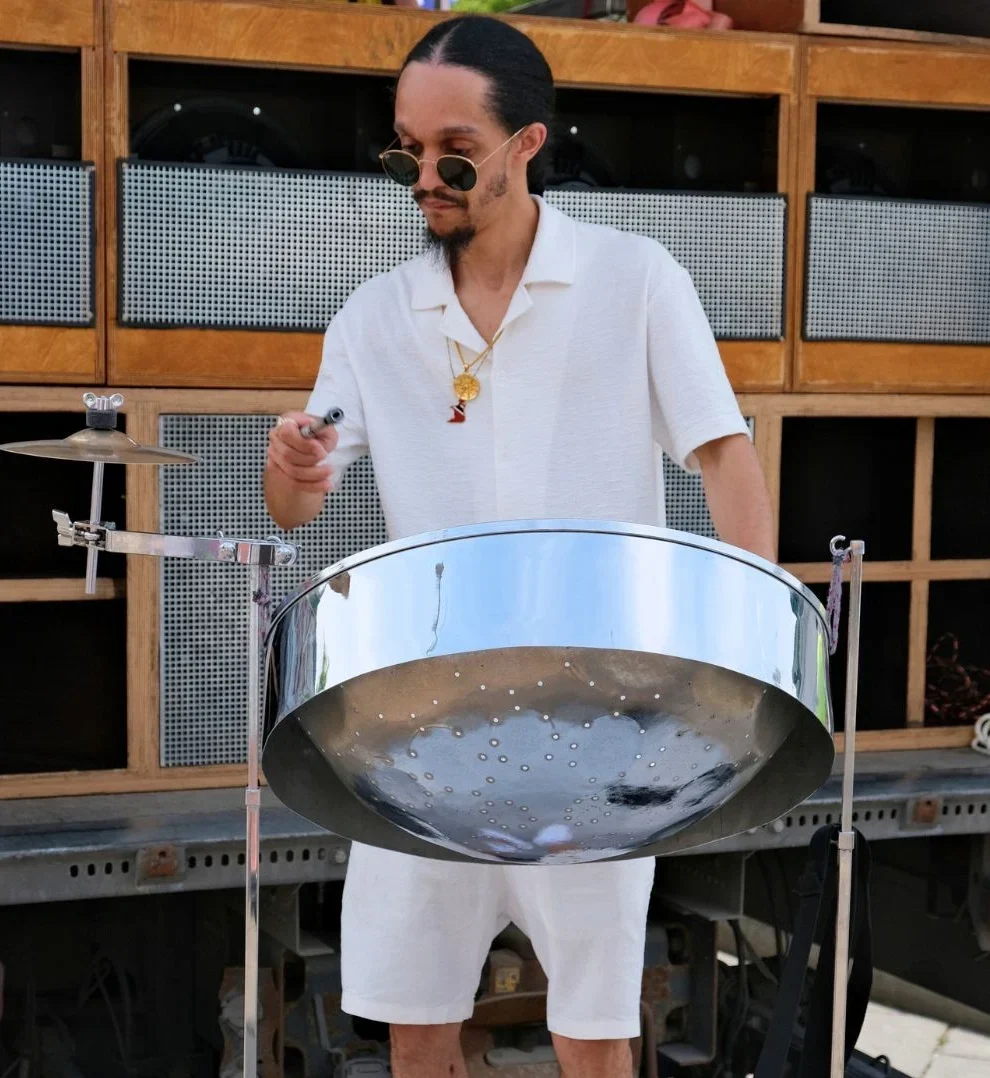
1. It’s Made from Oil Drums – Yes… actual industrial drums. Transformed into instruments that can sound like a full orchestra.
2. It Can Play Full Songs – Melody, harmony, bass—everything. Some steelbands sound richer than live bands.
3. There Are Different Types of Pans – From tenor pans (lead melody) to bass pans (deep rhythm), each one plays a role.
4. Panorama Is SERIOUS Business – We’re talking months of preparation, intense competition, and huge community pride on the line.
5. It Was Invented in Trinidad & Tobago – And it remains one of the country’s greatest cultural contributions to the world.
Steelpan might be rooted in Trinidad, but its sound has traveled far.
You’ll now hear it in:
And beyond Carnival, steelpan has made its way into:
There’s a reason people fall in love with steelpan the moment they hear it.
It’s not just the sound—it’s what it represents:
Even if you don’t know the history, you feel it.
And that’s what Carnival is all about.
What started in the Caribbean is now a global sound.
If you’ve never heard it before, imagine this: A smooth, ringing tone. Bright but warm. Almost like a mix between bells and a melody you can’t stop moving to. It’s calming… but still makes you want to dance. Once you hear it, you’ll recognize it instantly.
If this has you curious (and it should), here’s where to go: Trinidad Carnival (The Ultimate Experience). This is the home of steelpan—and nothing compares to hearing it live there.
Some other Carnivals:
Steelpan isn’t just an instrument. It’s the sound of a people turning struggle into art. It’s the rhythm of Carnival. It’s freedom you can actually hear. So next time you’re at Carnival and that sweet pan music hits…
Just know—you’re listening to history, culture, and pure vibez all in one.
Steelpan music is played on a tuned steel instrument originally made from oil drums. It can carry melody, harmony, and rhythm, allowing full bands to perform complete arrangements.
Steelpan originated in Trinidad & Tobago in the early 20th century. It developed within Carnival culture and grew out of earlier rhythmic traditions.
The terms are often used interchangeably, especially in the U.S., but “steelpan” or “pan” is the more accurate name. “Steel drum” refers to the material the instrument was made from.
Beginners can learn simple melodies relatively quickly, but mastering steelpan requires timing, coordination, and technique. Like most instruments, it’s easy to start and challenging to perfect.
Steelpan is deeply tied to Carnival’s history and identity in Trinidad & Tobago. It remains central through steelbands, pan yards, and Panorama, one of the largest steelpan competitions in the world.
Specials are here!