Carnival and Festival are not the same thing! Yes, both bring crowds, energy, and outfits that turn heads, but it’s the roots, the meaning, and the vibe that truly differentiate them. And if you plan to play a mas or talk Carnival culture, you best know the difference.
Caribbean Carnival celebrations come from deep cultural soil; born out of African traditions, colonial resistance, and the legacy of emancipation. It’s storytelling. It’s rebellion. It’s healing!
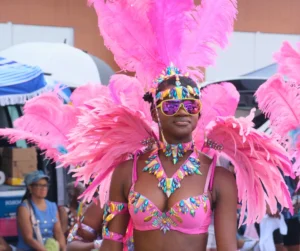
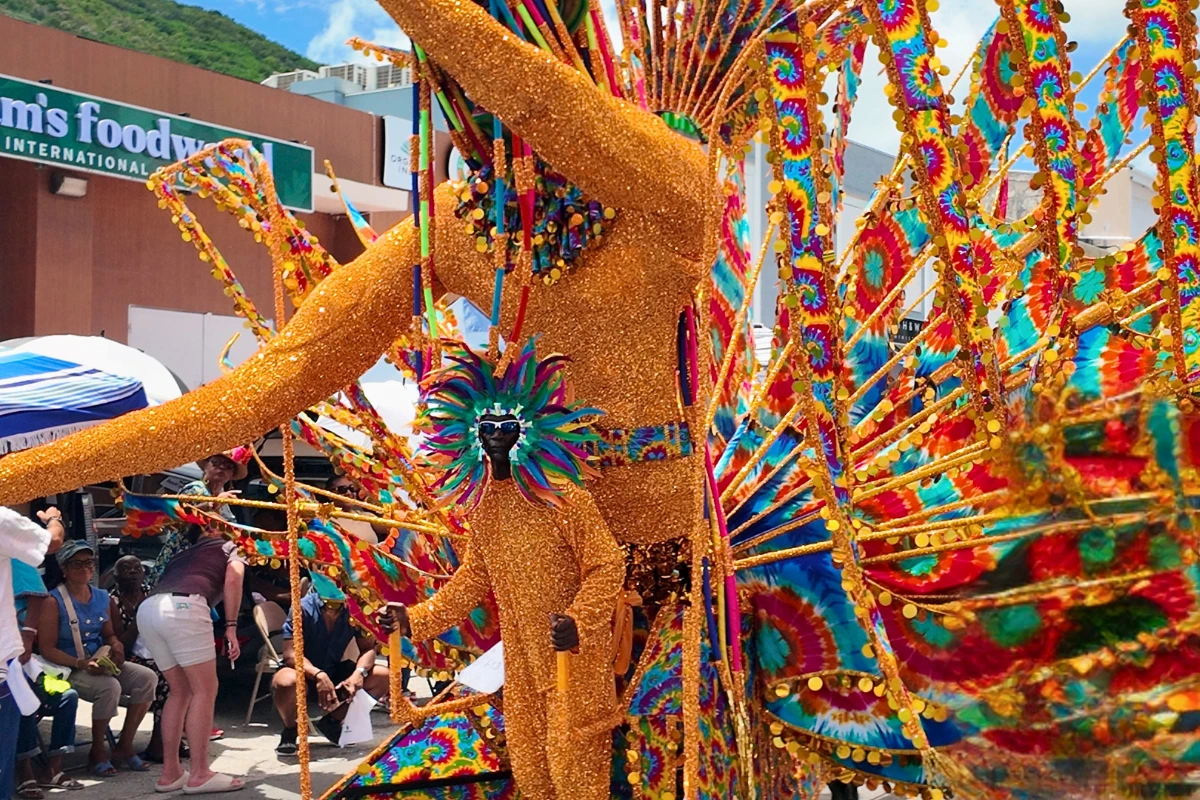
Masqueraders don’t just wear costumes — they embody characters, narratives, and a spirit passed down through generations. When you touch road, you’re part of something way bigger than yourself.
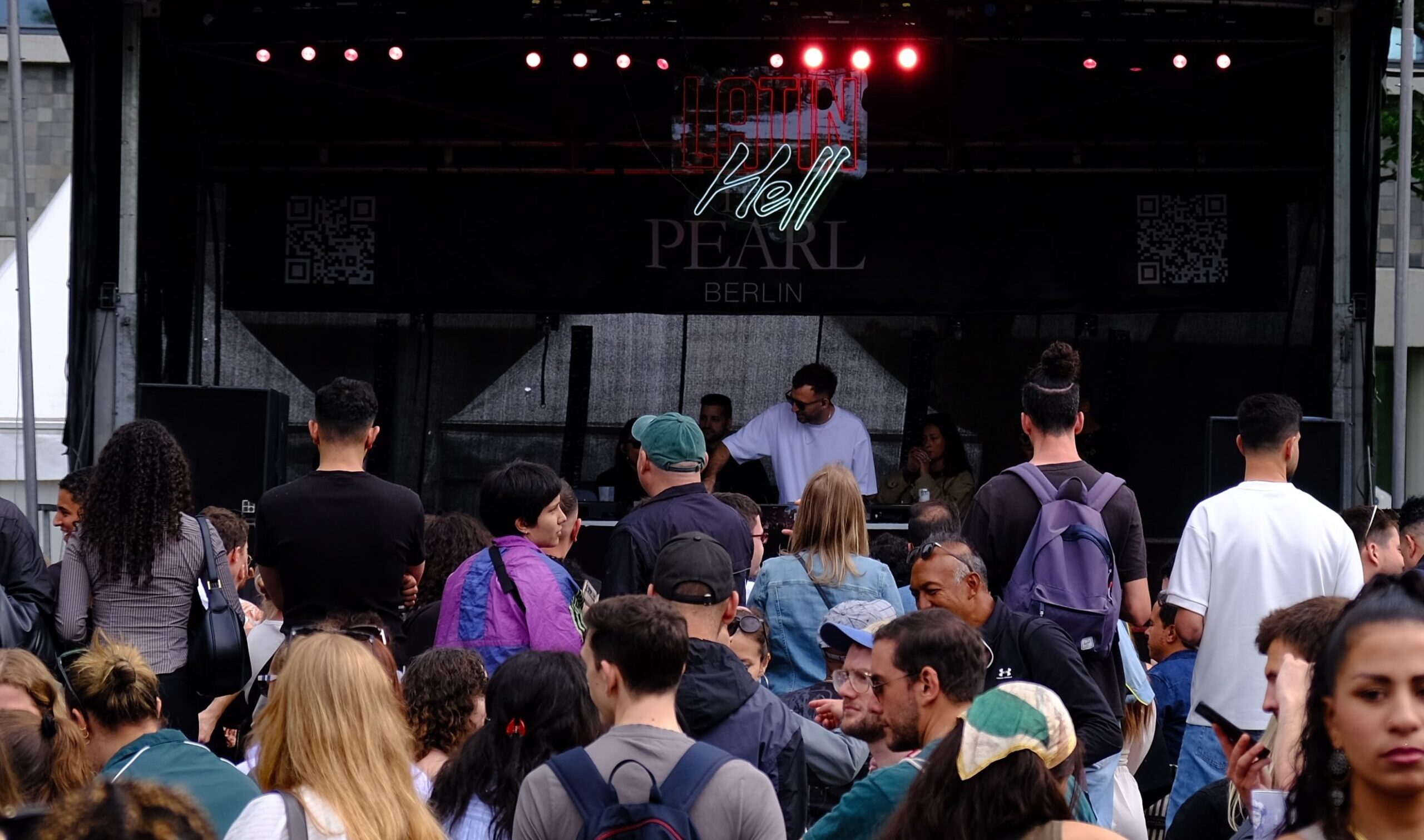
Now, festivals? Dem is a different story. Whether it’s Coachella, Rolling Loud, or Tomorrowland — these are more about the concert vibes. You go to see your fave DJs or artists, catch a buzz, and maybe stunt in some glitter. That’s cool! But it’s not Carnival.
There’s no cultural rite, no historical connection, and definitely no “dutty mas” or J’ouvert morning. Festival energy is vibes-y, but it’s not tied to any ancestral energy.
Now hear this — not every Caribbean event is officially a “Carnival,” but some Caribbean festivals do end in Carnival-like celebrations. Take Crop Over in Barbados. It starts as a summer-long festival of art, culture, and music — but it all builds up to Grand Kadooment Day, where the streets flood with masqueraders, bands, and sweet, sweet soca.
Same goes for Anguilla Summer Festival, which mixes beach parties, boat races, and pageantry with a big Parade of Troupes that gives real Carnival energy.
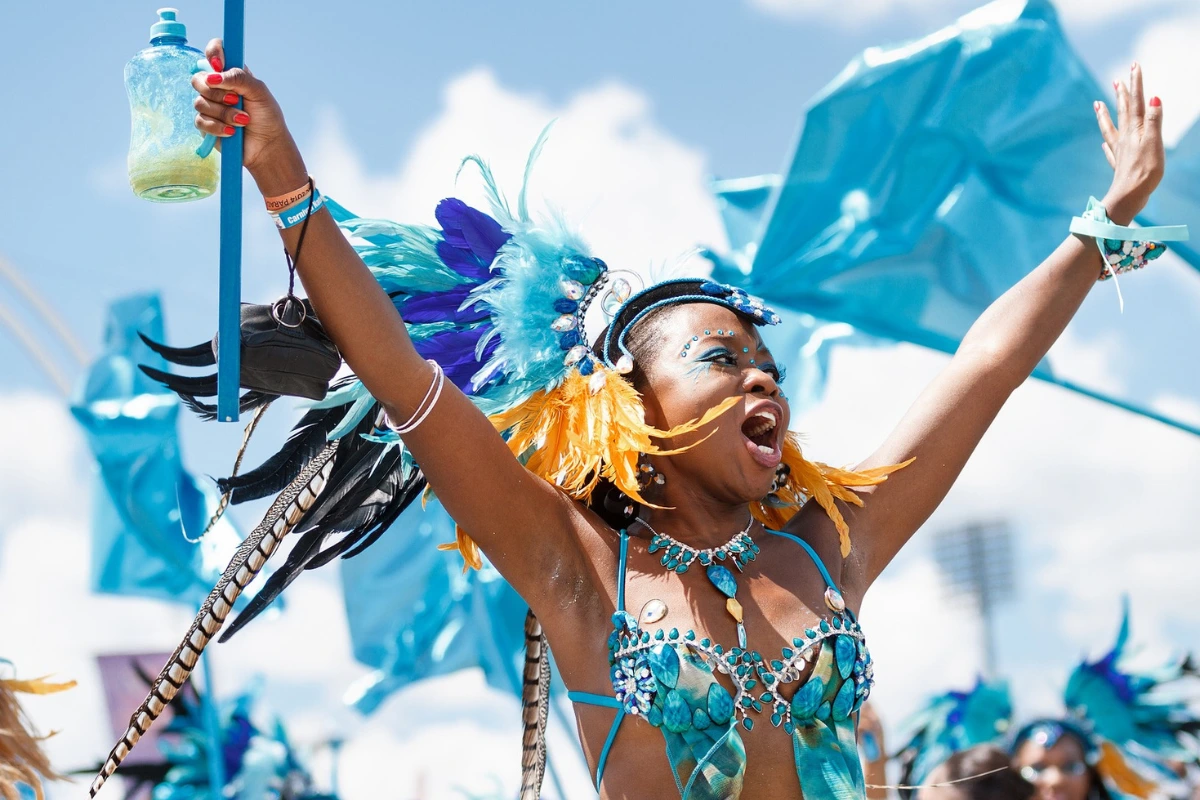
Now, one more thing people mix up. Not every Carnival is a Caribbean Carnival, and that doesn’t make it any less of a Carnival.
Go to Europe in February and you’ll meet traditions that are centuries old and have nothing to do with soca. Malta Carnival is built on competitive floats, choreographed dance troupes, and craftsmanship that takes months of work before anybody touches the street. Over in the Czech Republic, Prague Masopust is a pre-Lenten celebration whose name literally means “meat fast”, the big feast before the fasting starts, complete with folk costumes, village-style processions, and serious amounts of food. Same season as Trinidad, completely different story. These grow out of European pre-Lenten tradition rather than emancipation.
Then there’s the third group, and this is where it gets sweet: Caribbean Carnival that travels. Notting Hill Carnival in London, Caribana in Toronto, and Vienna Carnival in Austria. Mas bands, soca trucks, J’ouvert, a proper parade of bands. Same culture, same roots, different postcode.
Doh carry Caribbean Carnival rules to a European winter Karneval. There’s no paint, no powder, and no mud at Malta or Masopust, and turning up expecting J’ouvert will leave you standing in the cold looking lost.
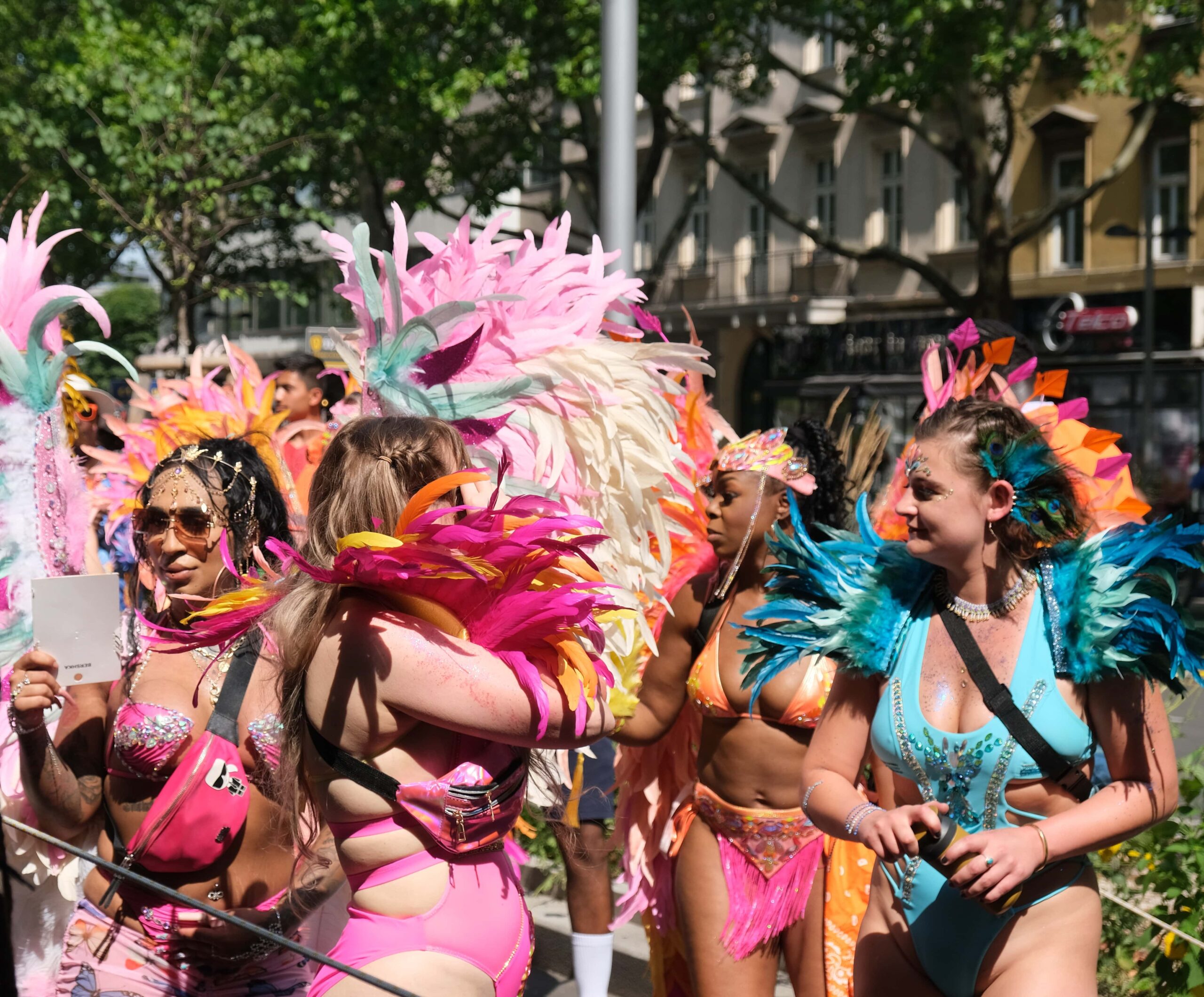
Let’s be real — you can’t compare the feeling of crossing the stage in a feathered frontline costume, music pumping, sweat dripping, and thousands moving in rhythm to any stage show or rave. Carnival is liberation. Carnival is connection. Carnival is spiritual. And it’s not about being seen; it’s about being free.
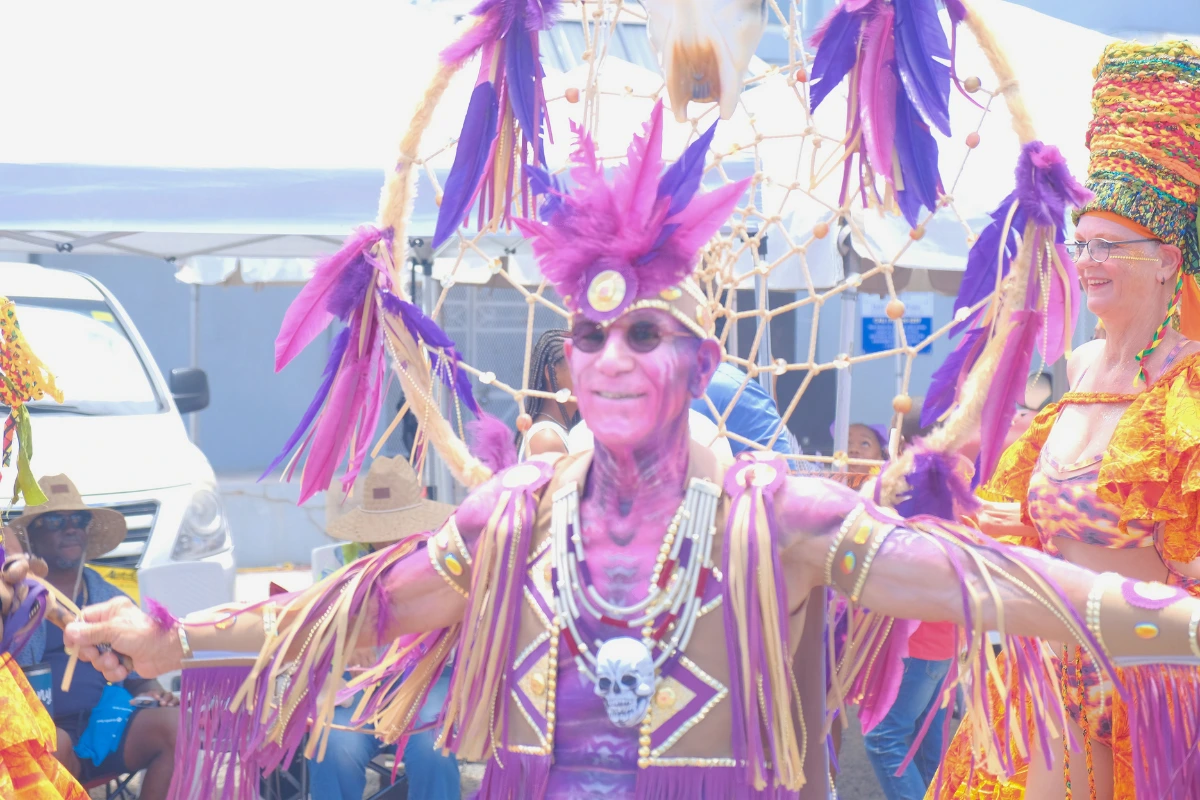
From the heavyweights like Trinidad, Grenada, and Barbados to emerging scenes like St. Maarten and Munich, Germany — if it’s got mas, music, and a parade of bands, we in deh. We also show love to Caribbean festivals like Crop Over and Nevis Culturama Festival ’cause they culminate in parade-day magic.
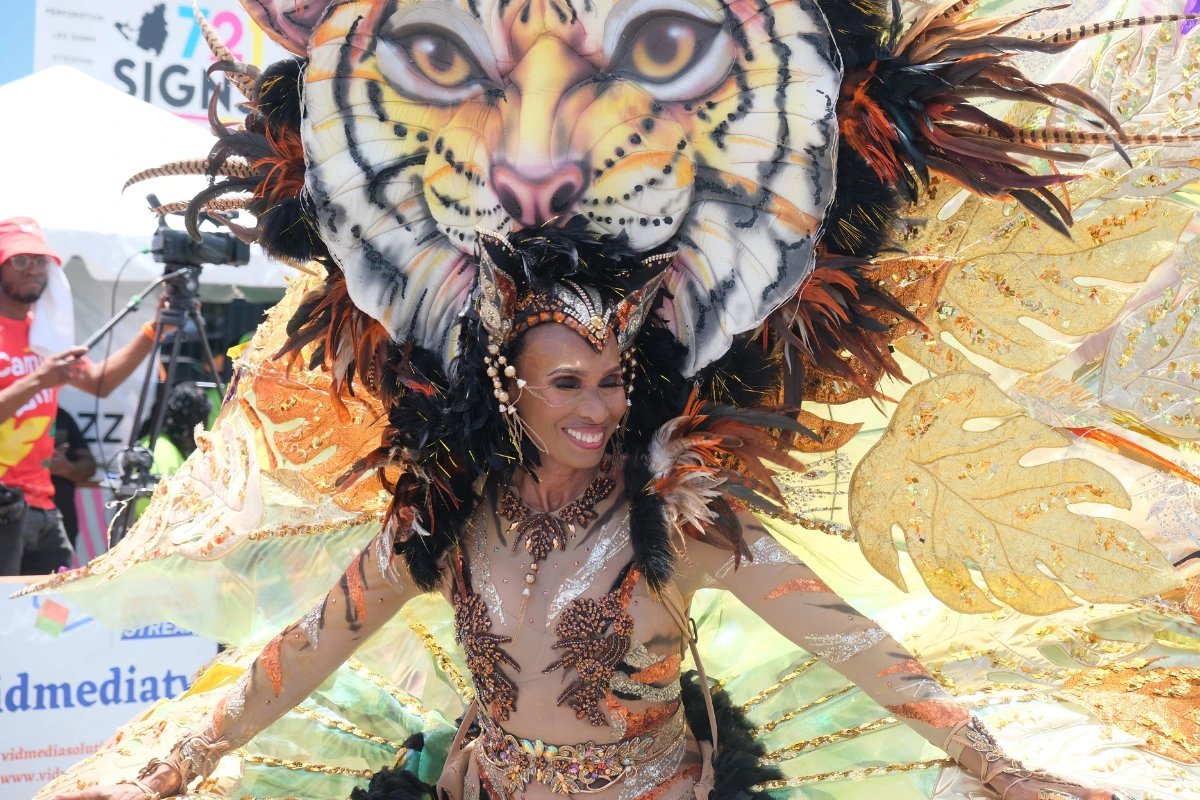
Here’s the simple version. If you want a lineup, a wristband, and a weekend of good music, a festival will do you just fine. Nothing wrong with that at all. But if you want to be inside the celebration instead of watching it, cross a stage in feathers you picked out yourself, and find yourself in a J’ouvert band at 4 a.m. because your people have been doing it for generations, then it’s Carnival you’re looking for. They are not the same thing, and now you know exactly why.
One last piece of advice. Carnival rewards people who plan early. Costume sections sell out, flights climb the closer you get, and the stays nearest the parade route go first. So pick your island, pick your season, and give yourself room to get ready. Our Carnival calendar lays out every Carnival we cover month by month, and if you’re still torn between destinations, How to Pick Your First (or Next) Carnival helps you choose based on budget, crowd size, and how much bacchanal you can handle. When you’re ready to sort your fit, How to Get a Carnival Costume walks you through ordering and collection.
See you on the road.
Carnival is rooted in history, culture, and emancipation traditions, especially in the Caribbean. Festivals are typically music or arts events centered around performances and entertainment. While both bring big crowds and high energy, Carnival carries cultural and ancestral meaning that most festivals do not.
No. Some are music festivals, heritage festivals, or seasonal celebrations. A true Carnival typically includes mas, a road march, band participation, and historical ties to pre-Lenten or emancipation traditions.
Caribbean Carnival includes mas bands, costume sections, road parades, and traditional characters tied to history. It’s not just about watching a show — you participate in it. The crowd becomes the performance.
No. While Carnival is fun and high-energy, it’s deeply connected to history, resistance, and cultural expression. Playing mas is about embodying tradition and community, not just partying.
No. Events like Coachella and Rolling Loud are music festivals focused on artist lineups and stage performances. Carnival centers around road marches, mas bands, J’ouvert, and cultural storytelling.
Caribbean Carnival has roots in emancipation and formerly enslaved Africans reclaiming space through music, costume, and celebration. The road became a space of expression and liberation. That history is what gives Carnival its deeper meaning.
J’ouvert is an early-morning street celebration rooted in emancipation traditions and Caribbean history. It involves paint, powder, oil, and freedom of expression before the main parade. Music festivals do not have this cultural ritual component.
Yes, some multicultural festivals may include Caribbean mas bands or soca trucks as part of their lineup. However, unless the event is structured around traditional Carnival rituals and road marches, it isn’t considered a true Carnival.
Specials are here!